peitner surname meaning, origin, history, and modern relevance explained
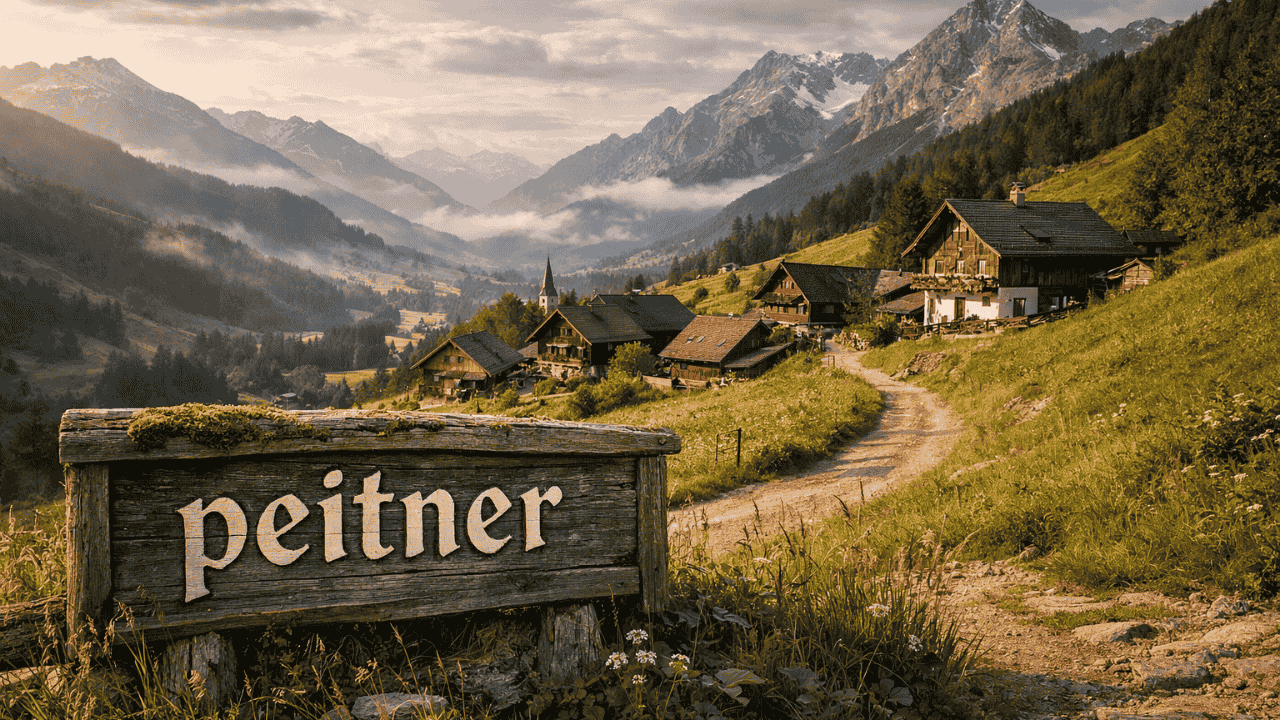
The word peitner might seem unfamiliar at first glance, but like many surnames, it carries a story shaped by geography, language, and human movement over time. Surnames are more than labels; they often reflect where people lived, what they did, or how they were perceived in their communities. The name peitner falls into this tradition, with roots tied closely to landscape and regional identity. Understanding its background opens a small window into European history and naming customs. This article breaks down the meaning, origin, and present-day relevance of peitner in a clear and engaging way.
what the surname peitner actually means
The surname peitner is widely considered a topographic name, meaning it was originally used to describe someone based on their physical surroundings. In this case, the name is linked to mountainous or sloped terrain, suggesting that early bearers of the name likely lived near hillsides or elevated land. These types of surnames were common in regions where geography played a strong role in daily life. Over time, such descriptive labels became fixed family names passed down through generations. This makes peitner not just a name, but a marker of environmental identity.
Linguistically, peitner has roots in Middle High German, where elements of the word refer to slopes or inclines. The suffix typically indicates a person associated with a place, reinforcing the idea that the name described someone’s location. Names like this were practical in small communities where distinguishing between individuals was necessary. Instead of using complex identifiers, people relied on simple, recognizable features. This is how peitner likely started as a functional description before becoming hereditary.
historical development of peitner as a family name
The transition of peitner from a descriptive term to a fixed surname likely occurred during the late medieval period. This was a time when European societies began formalizing naming systems due to population growth and administrative needs. As villages expanded, it became harder to identify people using only first names. Surnames based on location, occupation, or personal traits became essential. Peitner fits neatly into this pattern of evolution.
During this period, record-keeping also became more common, especially in church and legal documents. Once a name like peitner appeared in official records, it tended to remain consistent across generations. Families began to carry these names as part of their identity rather than just a temporary label. Over time, the spelling and pronunciation may have shifted slightly depending on region and dialect. Still, the core meaning remained tied to place and environment.
geographic roots and regional presence
Peitner is most commonly associated with central European regions, particularly areas known for mountainous landscapes. Austria and parts of southern Germany are often linked to the name due to their terrain and linguistic history. These regions provided the perfect setting for a name that describes hillside living. The connection between land and identity was especially strong in these areas. People were often known by their relationship to the land they worked or lived on.
Migration patterns later spread the name beyond its original region. As families moved for economic opportunities or social reasons, they carried the surname with them. This led to the presence of peitner in other parts of Europe and eventually in countries like the United States. Even with this spread, the name still hints at its geographic origins. It serves as a reminder of where a family line may have begun.
possible cultural and occupational connections
While peitner is primarily a topographic surname, there are also suggestions of cultural and occupational links in certain contexts. In some interpretations, the name may have been associated with specific trades or skills. This is not unusual, as many surnames developed overlapping meanings over time. The possibility of different influences adds another layer to understanding the name. It shows how names can evolve beyond their original purpose.
Some researchers have pointed to connections with communities involved in craftsmanship or metalwork. Although this is less widely accepted than the geographic explanation, it cannot be entirely dismissed. Names often took on new meanings as families moved and adapted to different environments. The flexibility of surnames like peitner reflects the complexity of human history. It is rarely a single, fixed story.
how peitner fits into european naming traditions
European surnames often fall into a few clear categories, and peitner belongs to one of the oldest types. Understanding these categories helps place the name in a broader context. It also shows how common patterns shaped the way people were identified.
Here are some common surname types in Europe:
- Topographic names based on landscape features
- Occupational names linked to jobs or trades
- Patronymic names derived from a father’s name
- Descriptive names based on personal traits
Peitner fits most closely with topographic names, which were especially common in rural and mountainous areas. These names were easy to understand and widely accepted within communities. Over time, they became an important part of family heritage. This is why peitner still carries a sense of place even today.
modern relevance of the name peitner
In the present day, peitner continues to exist as a surname, though it is not among the most common names globally. Its rarity can make it more distinctive and meaningful for those who carry it. People with this surname often take an interest in genealogy and family history. The name becomes a starting point for exploring ancestral roots. This adds personal value beyond its historical meaning.
The digital age has also made it easier to trace names like peitner across different regions. Online databases and genealogy platforms allow individuals to connect with others who share the same surname. This can lead to discoveries about migration patterns and family connections. Even a relatively uncommon name can have a wide-reaching story. Peitner is a good example of how a small piece of language can link people across time and space.
why surnames like peitner still matter today
Surnames are often overlooked in everyday life, but they hold a surprising amount of information. A name like peitner can reveal clues about geography, language, and social structure. It connects individuals to a broader historical narrative. Even in modern societies where mobility is high, these connections remain meaningful. They provide a sense of continuity in a fast-changing world.
There are several reasons why surnames like peitner continue to matter:
- They preserve historical and cultural identity
- They help trace family lineage and ancestry
- They reflect patterns of migration and settlement
- They offer insight into linguistic evolution
For many people, understanding their surname is a way to better understand themselves. It adds depth to personal identity and creates a link to the past. Peitner, with its roots in landscape and tradition, is a clear example of this connection.
conclusion
The surname peitner is more than just a label passed down through generations. It carries traces of geography, language, and history that stretch back centuries. From its likely origin as a description of hillside living to its role as a modern family name, peitner reflects the way humans have always tied identity to place. Its journey from medieval Europe to the present day shows how names evolve while still holding onto their core meaning. Even as the world changes, names like peitner continue to offer a sense of belonging and continuity. Understanding this name is a small but meaningful step into the larger story of human history.
faqs
- what does the surname peitner mean
The surname peitner generally refers to someone who lived on or near a hillside or slope, based on its linguistic roots in Middle High German. - where does the name peitner come from
Peitner is believed to originate from central Europe, particularly Austria and southern Germany, where mountainous landscapes are common. - is peitner a rare surname
Yes, peitner is considered relatively uncommon, which makes it more distinctive compared to widely used surnames. - can peitner have different meanings
While primarily topographic, peitner may have developed additional meanings in certain regions or communities over time. - how can i trace my peitner family history
You can explore genealogy platforms, historical records, and family documents to trace the origins and movement of the peitner surname.









Post Comment