Kotora Melnkalne: meaning, history, and why this coastal town is gaining global attention
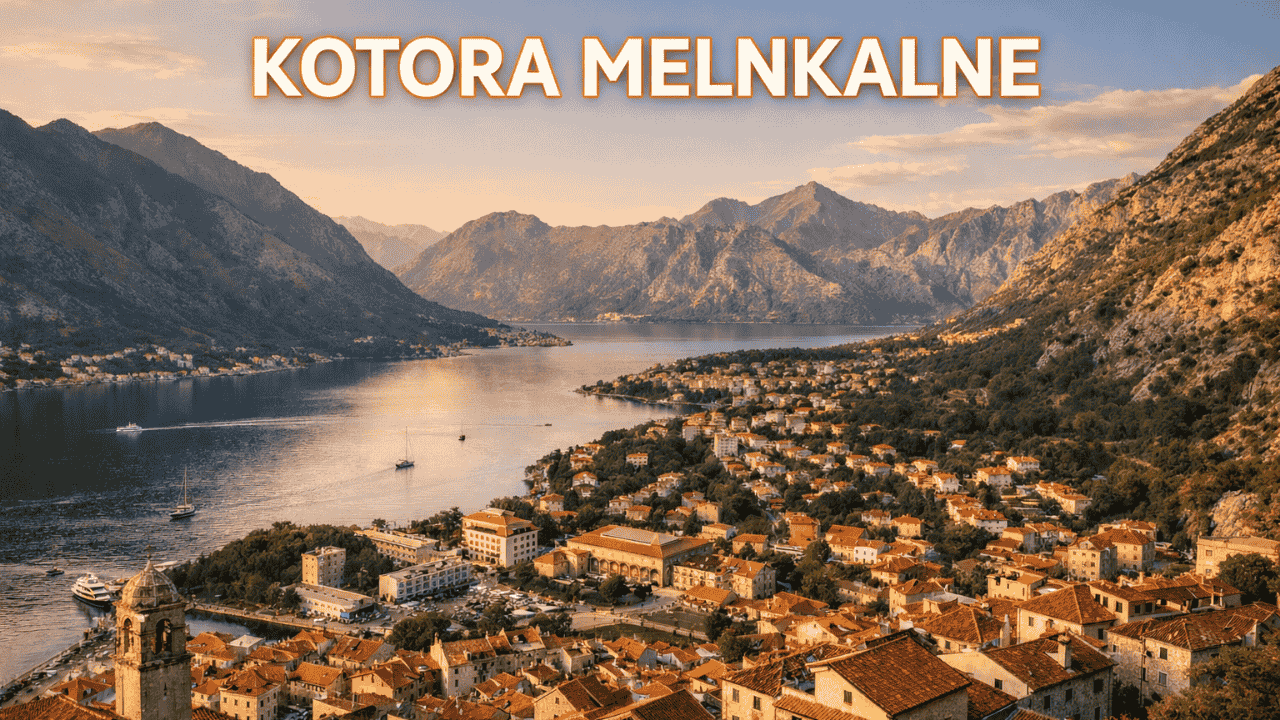
The phrase kotora melnkalne has started appearing across travel blogs and search results, leaving many people wondering what it actually refers to. At first glance, it sounds like the name of a hidden European destination, but the reality is a bit more nuanced. The term is a stylized way of pointing toward Kotor, a historic coastal town in Montenegro known for its dramatic setting and deep cultural roots. Writers and content creators have picked up this phrase to describe the unique blend of mountains and sea that defines the region. Understanding kotora melnkalne opens the door to discovering one of the most visually striking places in the Adriatic.
What kotora melnkalne really means
The phrase kotora melnkalne is not an official geographic name, but rather a creative expression used online. It combines references to Kotor with a poetic interpretation of Montenegro’s meaning, often translated as “black mountain.” This gives the phrase a slightly mysterious tone, which helps it stand out in search engines and travel content. Many articles use kotora melnkalne as a hook to draw attention to Kotor’s landscape, where steep mountains rise directly from the sea. While it may sound unfamiliar, the place it represents is very real and widely admired.
This type of naming is common in modern digital content, where unique keywords help attract readers. In this case, kotora melnkalne has become a recognizable phrase tied to travel curiosity. Instead of treating it as a separate destination, it is more accurate to see it as another way of referring to Kotor and its surroundings. Once that connection is clear, the rest of the story becomes much easier to understand. It shifts from confusion to discovery.
Location and natural setting of kotora melnkalne
Kotora melnkalne points directly to Kotor, a coastal town located in Montenegro along the Adriatic Sea. The town sits within the Bay of Kotor, a winding body of water surrounded by towering limestone mountains. This setting creates a landscape that feels almost unreal, with calm blue water contrasting against rugged cliffs. Many visitors compare it to a fjord, although it is technically a submerged river canyon. The natural environment plays a major role in why kotora melnkalne has gained attention.
The geography shapes both the lifestyle and the appeal of the region. The mountains provide dramatic viewpoints, while the bay offers a peaceful atmosphere for boats and waterfront living. Travelers often find themselves drawn to the balance between sea and stone. The setting also creates ideal conditions for photography, especially during sunrise and sunset. These visual qualities are a big part of why kotora melnkalne continues to trend.
A layered history behind kotora melnkalne
The story behind kotora melnkalne is deeply rooted in history, stretching back thousands of years. Kotor has seen the rise and fall of multiple civilizations, each leaving its mark on the town. Early settlements were established by Illyrian tribes, followed by Roman and Byzantine influence. Over time, the town became an important trading hub due to its strategic coastal location. This long history adds depth to the modern appeal of kotora melnkalne.
During the medieval period, Kotor came under the control of the Republic of Venice. This era shaped much of the architecture that still stands today, including fortified walls and elegant stone buildings. Later, the region experienced rule by Austro-Hungarians and became part of Yugoslavia before Montenegro gained independence. Despite earthquakes and political changes, much of the old town has been preserved. This resilience is part of what makes kotora melnkalne so compelling.
Key attractions that define kotora melnkalne
Visitors exploring kotora melnkalne will find a mix of historical landmarks and natural viewpoints. The town is compact, but every corner offers something worth seeing. Walking through the old streets feels like stepping into a different era. The combination of architecture and scenery creates a memorable experience.
Some of the most notable attractions include:
- The Old Town, known for its narrow streets and medieval layout
- The city walls, which stretch up the mountainside
- The Fortress of St. John, offering panoramic views of the bay
- St. Tryphon Cathedral, one of the oldest landmarks in the region
- The Bay of Kotor itself, ideal for boat trips and scenic exploration
Each of these locations contributes to the identity of kotora melnkalne. Together, they create a destination that feels both historic and alive. Visitors often spend hours simply walking and observing the details around them.
Cultural life and traditions in kotora melnkalne
Kotora melnkalne is not only about scenery and buildings, it also reflects a rich cultural life. The town blends Mediterranean and Balkan influences, which can be seen in its festivals, music, and daily routines. Events throughout the year bring locals and visitors together in celebration. These gatherings highlight traditions that have been passed down through generations. Culture plays a central role in shaping the experience of kotora melnkalne.
Some notable cultural elements include:
- Seasonal festivals like Kotor Carnival
- Maritime traditions tied to the town’s history
- Local music and art events
- Community celebrations along the waterfront
These cultural aspects give kotora melnkalne a sense of identity beyond tourism. They show how history continues to influence modern life. Visitors often find these experiences just as memorable as the physical landmarks.
Food and local flavors of kotora melnkalne
The food scene connected to kotora melnkalne reflects its coastal location and cultural mix. Seafood is a major part of the local diet, with fresh ingredients coming directly from the Adriatic. Meals are often simple but full of flavor, focusing on quality rather than complexity. Dining in Kotor usually involves a relaxed atmosphere with views of the water or old stone streets. This adds another layer to the overall experience.
Common dishes and flavors include:
- Fresh fish and grilled seafood
- Black risotto made with cuttlefish ink
- Smoked ham known as pršut
- Local cheeses and regional wines
Food becomes part of the memory when visiting kotora melnkalne. It connects travelers to the place in a more personal way. Sharing meals in this setting often feels as meaningful as sightseeing.
Why kotora melnkalne is trending online
The rise of kotora melnkalne as a keyword is closely tied to digital content trends. Unique phrases tend to attract more clicks, especially when they sound unfamiliar or intriguing. In this case, the phrase creates curiosity, leading people to learn about Kotor. Social media has also played a role, with photos of the bay spreading quickly across platforms. This visual appeal has helped push kotora melnkalne into wider recognition.
Another reason for its popularity is the growing interest in lesser-known travel destinations. Many travelers are looking beyond crowded cities and searching for quieter alternatives. Kotor fits this demand perfectly, offering beauty without overwhelming crowds. As a result, kotora melnkalne has become a way to introduce this destination to a broader audience. The keyword acts as both a label and an invitation.
Best time to experience kotora melnkalne
Timing can make a big difference when visiting kotora melnkalne. The region experiences a Mediterranean climate, with warm summers and mild winters. Summer is the busiest season, bringing more tourists and lively events. While this adds energy, it can also mean larger crowds in popular areas. Choosing the right time depends on the type of experience you want.
Spring and early autumn are often considered the best periods to visit. During these months, the weather is pleasant and the crowds are more manageable. The scenery remains just as beautiful, with fewer distractions. This allows visitors to explore kotora melnkalne at a more relaxed pace. It is a balance between comfort and accessibility.
Conclusion
Kotora melnkalne may sound like a mysterious destination, but it ultimately leads to Kotor, one of the most remarkable coastal towns in Montenegro. The phrase has grown in popularity because it captures attention while pointing to a place rich in history, culture, and natural beauty. From its mountain-lined bay to its preserved old town, the location offers a unique blend of experiences. Understanding kotora melnkalne helps uncover a destination that deserves far more recognition than it often receives. For anyone interested in travel, history, or scenic landscapes, this is a place worth exploring.
FAQs
- What does kotora melnkalne mean?
Kotora melnkalne is a stylized phrase used online to refer to Kotor in Montenegro, often highlighting its mountainous surroundings. - Is kotora melnkalne a real place?
No, kotora melnkalne is not an official place name, but it represents the town of Kotor and its scenic region. - Why is kotora melnkalne popular in search results?
The phrase is unique and attention-grabbing, making it useful for SEO and digital content related to travel. - Where is kotora melnkalne located?
It refers to Kotor, which is located on the Adriatic coast in Montenegro. - What can you do in kotora melnkalne?
Visitors can explore historic sites, walk through the old town, climb the city walls, enjoy local food, and take in views of the Bay of Kotor.







Post Comment