m6 walsall birmingham lanes closure: causes, latest updates, and what drivers need to know
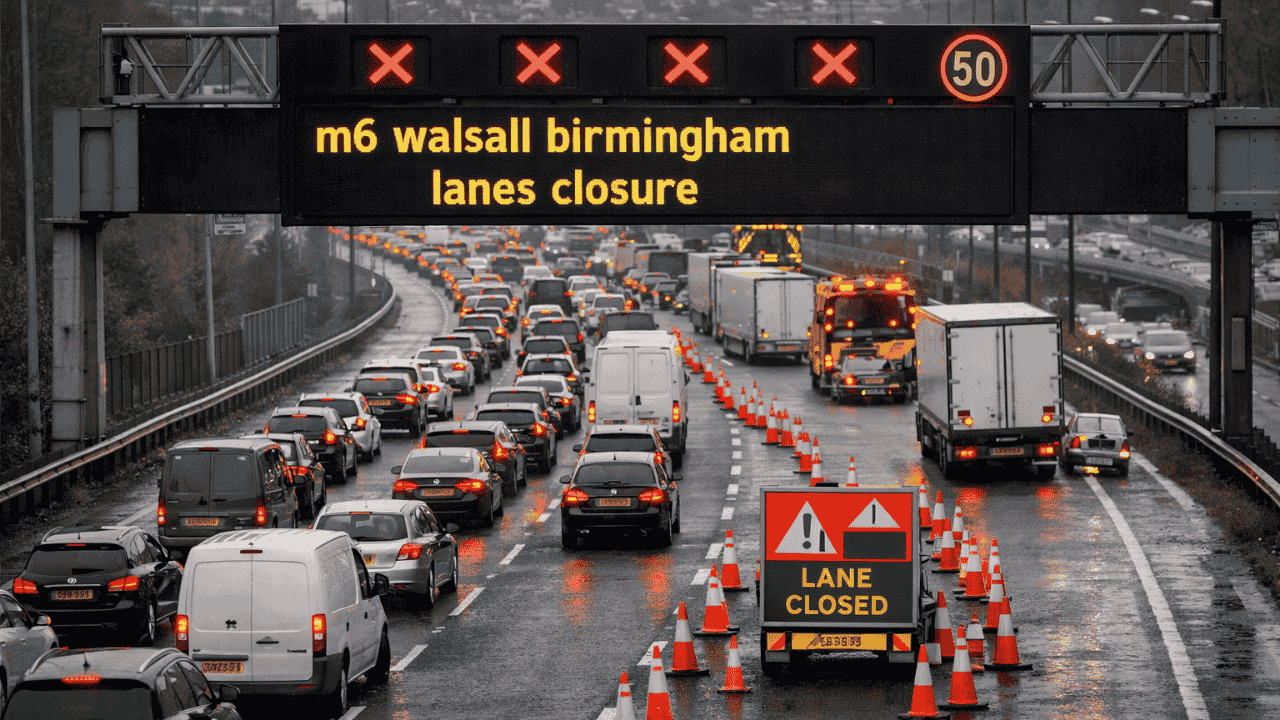
Traffic disruption along the M6 between Walsall and Birmingham has become a regular concern for commuters, freight operators, and local residents. The phrase m6 walsall birmingham lanes closure has increasingly appeared in traffic updates, reflecting how often this stretch experiences lane restrictions and delays. This section of motorway carries a heavy load of vehicles daily, making even minor disruptions ripple quickly into major congestion. Understanding what causes these closures and how they impact travel can help drivers plan better and avoid unnecessary stress.
where the m6 walsall birmingham lanes closure usually happens
The busiest and most disruption-prone area lies between junctions 6 and 11, covering Birmingham through to Walsall. Junction 6, commonly known as Spaghetti Junction, is one of the most complex interchanges in the UK, connecting multiple major routes. As traffic flows merge and split here, even small incidents can trigger lane closures and long queues. The m6 walsall birmingham lanes closure is especially common in this zone due to the combination of high traffic density and complicated road design.
Moving further north, junctions 7 through 10 near Great Barr and Walsall also see frequent issues. These areas handle a mix of commuter traffic and heavy goods vehicles, which increases the likelihood of congestion during peak hours. When lanes close in this region, delays can quickly stretch for miles. Drivers often report slow-moving traffic extending beyond expected points, especially during weekday mornings and evenings.
planned maintenance and overnight closures
A significant portion of m6 walsall birmingham lanes closure events comes from planned roadworks rather than accidents. These closures are usually scheduled overnight to minimize disruption during peak travel hours. Maintenance teams often close one or more lanes to carry out repairs, resurfacing, or safety improvements. While these closures are temporary, they still affect drivers who travel late at night or early in the morning.
Typical planned closures include:
- overnight shutdowns between 9 PM and 6 AM
- lane 1 or lane 2 closures for resurfacing work
- slip road closures at busy junctions like J6
- temporary speed restrictions through work zones
Although these closures are announced in advance, many drivers are still caught off guard. The m6 walsall birmingham lanes closure during maintenance periods can slow traffic significantly, especially when fewer lanes remain open. Planning journeys ahead of time and checking updates can reduce inconvenience.
accidents that trigger major lane closures
While planned works are predictable, accidents are the main cause of severe disruption. A single collision involving multiple vehicles can shut down several lanes instantly. The m6 walsall birmingham lanes closure becomes far more serious in these situations, often leading to long delays and traffic build-up over several miles. Emergency services may need extended time to clear the scene, especially if there are injuries or hazardous spills.
Recent incidents have shown how quickly conditions can worsen:
- multi-lorry crashes closing three lanes at once
- fuel or oil spills requiring road cleaning
- overturned vehicles blocking carriageways
- emergency repairs following collision damage
These events create sudden congestion, with delays sometimes reaching up to an hour or more. The unpredictability of such incidents makes them the biggest challenge for regular commuters. Unlike planned closures, there is little warning, which makes real-time traffic monitoring essential.
why this motorway section faces frequent closures
Several factors explain why the m6 walsall birmingham lanes closure happens so often compared to other motorways. First, this stretch serves as a key north-south route, carrying freight traffic across the country. Heavy goods vehicles increase wear on the road surface and contribute to slower traffic flow. When combined with commuter traffic, the volume becomes difficult to manage.
Another reason is the design of junctions in this region. Complex layouts like Spaghetti Junction require constant attention and maintenance to keep traffic moving safely. High merging activity also raises the risk of accidents, particularly during busy periods. As a result, the m6 walsall birmingham lanes closure is not just a result of isolated incidents but a reflection of ongoing pressure on the infrastructure.
impact on daily commuters and travel time
For those who rely on this route daily, lane closures can be frustrating and time-consuming. Even a single closed lane can reduce traffic flow significantly, causing queues to build quickly. The m6 walsall birmingham lanes closure often leads to delays that extend well beyond the immediate area of disruption. Drivers may find themselves stuck in traffic long before reaching the actual closure point.
The impact is not limited to travel time alone. Increased congestion leads to higher fuel consumption and greater stress for drivers. Delivery schedules can also be affected, especially for businesses relying on timely transport. Over time, repeated exposure to such delays can influence route choices and commuting habits.
how drivers can deal with lane closures effectively
Although closures cannot always be avoided, there are ways to reduce their impact. Drivers who stay informed and flexible are better equipped to handle delays. The m6 walsall birmingham lanes closure may be unavoidable at times, but smart planning can make a noticeable difference.
Practical steps include:
- checking live traffic updates before starting a journey
- avoiding peak hours whenever possible
- using alternative routes when congestion builds
- allowing extra travel time during known maintenance periods
By following these steps, drivers can navigate disruptions with less frustration. Awareness is often the difference between a manageable delay and a stressful experience.
differences between planned and emergency closures
Understanding the difference between planned and emergency closures helps drivers respond appropriately. Planned closures are scheduled and usually communicated in advance. These closures tend to occur overnight and involve controlled traffic management. The m6 walsall birmingham lanes closure in these cases is predictable and often shorter in duration.
Emergency closures, on the other hand, happen without warning and can last longer. They are usually caused by accidents or unexpected hazards on the road. Traffic management in these situations is reactive rather than planned, which can lead to greater delays. Recognizing the type of closure can help drivers decide whether to wait or seek alternative routes.
long-term outlook for the m6 corridor
Efforts are ongoing to improve traffic flow and reduce the frequency of disruptions. Maintenance work, while inconvenient, plays a role in keeping the motorway safe and functional. However, the demand on this route continues to grow, which means the m6 walsall birmingham lanes closure is likely to remain a recurring issue. Infrastructure upgrades and better traffic management systems may help, but they will take time to show results.
In the meantime, drivers will need to adapt to current conditions. Staying informed and planning ahead will remain essential strategies. As traffic volumes increase, the importance of efficient road management becomes even more critical.
conclusion
The m6 walsall birmingham lanes closure is a consistent feature of travel in the West Midlands, driven by a mix of planned maintenance and unexpected incidents. This stretch of motorway faces heavy demand, complex junction layouts, and frequent wear, all of which contribute to regular disruptions. While some closures are unavoidable, understanding their causes and patterns can help drivers make better decisions. By staying aware of traffic conditions and adjusting travel plans, the impact of these closures can be reduced. Over time, improvements may ease some of the pressure, but for now, preparation remains the best approach.
faqs
- why does the m6 walsall birmingham lanes closure happen so often?
The high traffic volume, complex junctions, and frequent maintenance needs make this stretch more prone to closures than others. - are most lane closures planned or caused by accidents?
Many closures are planned overnight, but the most severe delays usually come from accidents. - what time do most closures occur?
Planned closures typically happen between late evening and early morning to reduce daytime disruption. - how long do delays usually last during a closure?
Delays can range from a few minutes to over an hour depending on the severity of the situation. - how can drivers avoid delays on this route?
Checking traffic updates, traveling outside peak hours, and considering alternative routes can help reduce delays.










Post Comment