bilieter meaning, role, and modern relevance in digital ticketing systems
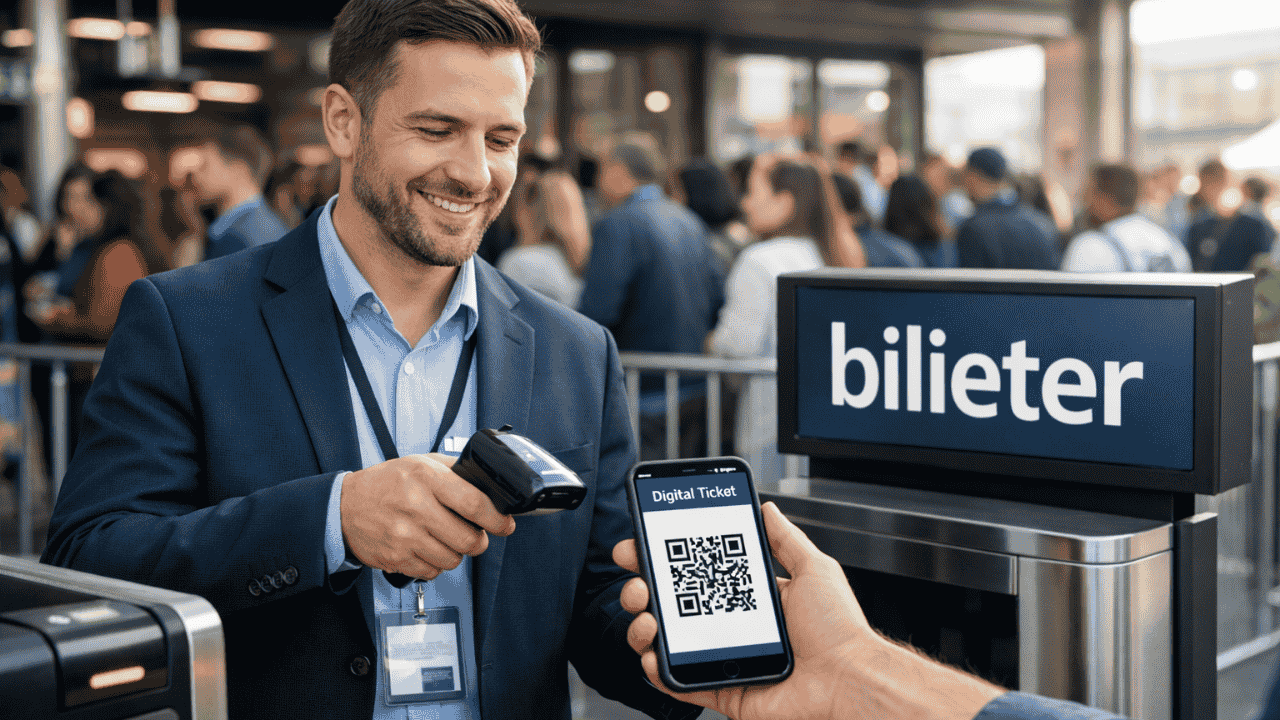
The word bilieter has started to appear in online discussions around ticketing, events, and customer access systems. While it is not a standard dictionary term, it is increasingly used to describe a role or concept linked to managing tickets and controlling entry. In simple terms, a bilieter can be understood as a person or system responsible for issuing, verifying, or managing tickets in both physical and digital environments. This makes the term useful when talking about modern ticketing processes that combine human interaction with technology. As events and travel systems continue to evolve, the idea of a bilieter becomes more relevant in everyday situations.
understanding the basic meaning of bilieter
The term bilieter is most commonly associated with someone who handles tickets in different environments. This could include selling tickets, scanning them at entrances, or helping customers resolve ticket-related issues. Even though the word itself is not formally recognized, it closely relates to traditional roles like ticket agents or gate staff. The difference is that bilieter often carries a broader meaning, including both human roles and automated systems.
In many real-world cases, a bilieter is the first point of contact for attendees at events or passengers in transport systems. This makes the role important for shaping customer experience and ensuring smooth operations. Whether it’s a concert, a bus station, or a cinema, the bilieter ensures that access is controlled and organized. The growing use of digital tools has expanded this role beyond simple ticket checking.
where the bilieter role appears in daily life
The concept of a bilieter can be seen in many everyday situations, even if the term itself is not widely used. Any place that involves ticket-based entry or booking systems relies on some form of bilieter function. These roles can be performed by people, machines, or a combination of both. This flexibility is what makes the term adaptable to modern systems.
Common places where a bilieter operates include:
- cinemas and entertainment venues
- concerts and live events
- public transportation systems like buses and trains
- airports and airline check-in counters
- exhibitions and trade shows
In each of these settings, the bilieter plays a key role in maintaining order and ensuring that only valid ticket holders gain access. The responsibilities may vary depending on the environment, but the core function remains the same.
responsibilities and tasks handled by a bilieter
A bilieter is not limited to simply checking tickets at an entrance. The role often involves a mix of customer service, technical handling, and operational management. This makes it more dynamic than traditional ticket-related jobs. As systems become more advanced, the responsibilities of a bilieter continue to grow.
Some common tasks performed by a bilieter include:
- issuing tickets to customers
- verifying ticket authenticity using scanners or systems
- assisting customers with seat selection or booking issues
- managing crowd flow at entry points
- handling refunds or ticket changes when needed
These tasks require attention to detail and the ability to interact with people effectively. A bilieter must also be comfortable using digital tools, especially in environments where paper tickets are no longer common.
the shift from traditional ticketing to digital bilieter systems
The role of a bilieter has changed significantly with the rise of digital technology. In the past, ticketing was mostly manual, involving printed tickets and physical verification. Today, digital systems have transformed how tickets are issued and checked. This shift has introduced new responsibilities and reduced some traditional tasks.
Modern bilieter systems often include:
- QR code scanning for quick entry
- mobile ticketing apps
- automated kiosks for self-service
- cloud-based booking systems
- real-time validation tools
These advancements have made ticketing faster and more efficient, but they also require bilieter roles to adapt. Instead of just handling paper tickets, a bilieter now works with software and digital platforms. This change has made the role more technical and less repetitive.
why the bilieter role still matters in a digital world
Even with automation, the role of a bilieter remains important. Technology can handle many tasks, but human involvement is still needed in many situations. Customers often require assistance when something goes wrong, such as a booking error or a failed scan. In these cases, the bilieter becomes essential.
A bilieter also helps maintain a smooth and welcoming experience for users. Machines can process tickets, but they cannot replace human judgment or communication. Events with large crowds often rely on bilieter staff to manage entry and handle unexpected issues. This balance between technology and human support keeps the system reliable.
skills required to become a successful bilieter
To perform effectively, a bilieter needs a mix of technical and interpersonal skills. The role may seem simple on the surface, but it involves handling real-time situations and interacting with different types of people. As ticketing systems evolve, the required skill set also changes.
Key skills for a bilieter include:
- strong communication and customer service abilities
- basic technical knowledge of ticketing systems
- problem-solving skills for handling issues quickly
- attention to detail when verifying tickets
- ability to work in fast-paced environments
These skills help ensure that the bilieter can manage both routine tasks and unexpected challenges. Training and experience often play a big role in developing these abilities.
how bilieter fits into modern event and travel systems
In modern systems, the bilieter is part of a larger network that includes software, hardware, and customer interaction. This integration allows for smoother operations and better tracking of ticket usage. The bilieter acts as a bridge between the system and the user, ensuring everything works as intended.
For example, in a large event, the bilieter may use handheld scanners connected to a central database. This allows tickets to be validated instantly and prevents duplication. In transportation, the bilieter may assist passengers with digital boarding passes or automated gates. These examples show how the role adapts to different environments.
challenges faced by bilieter roles today
Despite its importance, the bilieter role comes with challenges. One major issue is adapting to rapidly changing technology. Systems are updated frequently, and bilieter staff must stay familiar with new tools. This can require ongoing training and adjustment.
Another challenge is handling large crowds and high-pressure situations. Events and travel hubs often involve tight schedules and impatient customers. A bilieter must remain calm and efficient under pressure. Technical failures can also create problems, requiring quick thinking and manual solutions.
future of bilieter in evolving ticketing systems
The future of bilieter roles will likely involve even more integration with technology. Artificial intelligence and automation will continue to handle routine tasks, but human roles will not disappear completely. Instead, the bilieter will shift toward more support-focused responsibilities.
Future developments may include:
- biometric ticket verification systems
- fully automated entry gates with minimal staff
- advanced mobile ticketing platforms
- personalized ticketing experiences using data
Even with these changes, the need for a bilieter will remain in some form. Human oversight and assistance are still necessary to ensure smooth operations and handle exceptions.
conclusion
The term bilieter may not be officially recognized, but it captures an important and evolving role in modern ticketing systems. From traditional ticket counters to advanced digital platforms, the bilieter represents the connection between access control and user experience. As technology continues to reshape how tickets are managed, this role becomes more flexible and dynamic. Whether performed by a person or supported by automation, the bilieter remains a key part of events, travel, and customer service systems. Understanding this concept helps make sense of how access and organization work in today’s fast-moving environments.
faqs
- what does bilieter mean
A bilieter refers to a person or system that manages, issues, or verifies tickets in events, travel, or other entry-based systems. - is bilieter a real word
Bilieter is not a standard dictionary word, but it is used informally to describe ticket-related roles and systems. - where is the bilieter role commonly used
The bilieter role is commonly found in cinemas, concerts, transportation systems, airports, and large events. - can technology replace a bilieter
Technology can automate many tasks, but a bilieter is still needed for customer support and handling unexpected issues. - what skills are needed to become a bilieter
A bilieter needs communication skills, basic technical knowledge, attention to detail, and the ability to work under pressure.








Post Comment