Best AI Video Face Swap Tools of 2026 (Tested & Compared)
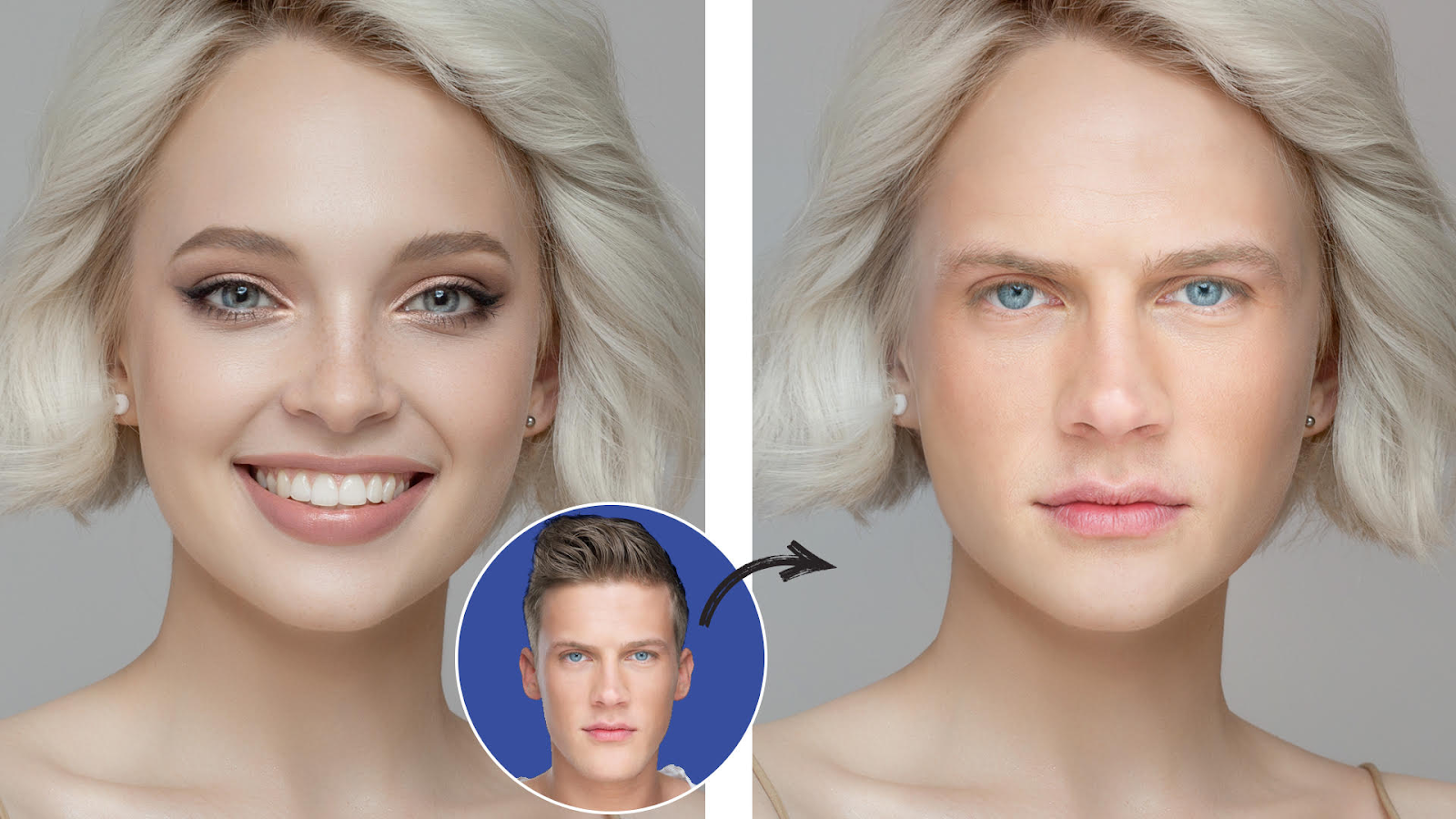
If you’re looking for the best AI video face swap tools in 2026, this guide gives you the fastest path to a decision. I spent time testing the leading platforms used by creators, marketers, and developers—and a few clear winners stand out depending on your workflow.
As of 2026, AI-powered face swapping has moved from novelty to production-grade. Whether you’re creating social media content, localized ads, film edits, or meme campaigns, the right tool can save hours of manual editing.
In this guide, I’ll break down the top AI video face swap tools, including strengths, limitations, pricing, and where each one fits best.
Best AI Video Face Swap Tools at a Glance
| Tool | Best For | Modalities | Platforms | Free Plan | Output Quality |
| Magic Hour | All-in-one creators & teams | Video, Image | Web | Yes | ⭐⭐⭐⭐⭐ |
| DeepSwap | Fast face swaps | Video, GIF | Web | Limited | ⭐⭐⭐⭐ |
| Reface AI | Social & casual use | Video, GIF | Mobile, Web | Yes | ⭐⭐⭐ |
| Zao | Entertainment & memes | Video | Mobile | Yes | ⭐⭐⭐ |
| FaceMagic | Mobile editing | Video, Image | Mobile | Yes | ⭐⭐⭐ |
| Synthesia | Corporate video avatars | Video | Web | Paid | ⭐⭐⭐⭐ |
| HeyGen | AI avatars + swapping | Video | Web | Limited | ⭐⭐⭐⭐ |
1. Magic Hour (Best Overall AI Video Face Swap Tool)
If you want one platform that consistently delivers high-quality results across different formats, Magic Hour is the strongest option I tested.
Their AI video face swap feature stands out for realism, speed, and ease of use. You don’t need advanced editing skills—upload your video, select a face, and the system handles tracking, blending, and lighting adjustments.
What impressed me most is how well it preserves expressions and motion. Many tools struggle with fast head movement or angled shots, but Magic Hour handled these scenarios better than expected.
Beyond face swapping, it’s a full creative suite. You can combine workflows using tools like ai image editor and image to video ai, which makes it practical for end-to-end content production.
👉 If you want to try a powerful and reliable AI video face swap, this is the best starting point.
Pros:
- Excellent realism and face tracking
- Works across video lengths and formats
- Clean UI, beginner-friendly
- Multi-tool ecosystem (editing, animation, lip sync)
- Fast processing times
Cons:
- Advanced features may require paid plan
- Heavy users may need higher-tier pricing
My Take:
After testing multiple tools, this is the one I’d trust for actual production work. If your content quality matters—ads, YouTube, brand campaigns—Magic Hour is hard to beat.
Pricing:
- Free tier available
- Paid plans scale based on usage
2. DeepSwap
DeepSwap is one of the more established tools in this category. It focuses heavily on speed and simplicity.
You upload a video, select faces, and generate results quickly. It’s not as polished as Magic Hour in terms of realism, but it’s reliable for basic swaps.
Pros:
- Fast processing
- Supports multiple faces in one video
- Simple workflow
Cons:
- Output quality can vary
- Limited editing control
- Subscription required for full features
My Take:
Good for quick edits and casual use, but less suitable for professional content.
Pricing:
- Subscription-based
- No robust free tier
3. Reface AI
Reface became popular through viral face-swapping content, and it still dominates mobile-first experiences.
The app is designed for fun, quick transformations rather than precision editing.
Pros:
- Extremely easy to use
- Large template library
- Strong mobile experience
Cons:
- Limited control over output
- Lower realism compared to pro tools
- Watermarks on free version
My Take:
Great for social content and memes, but not for serious production.
Pricing:
- Free with ads
- Premium subscription available
4. Zao
Zao gained attention for its ability to swap faces into movie scenes almost instantly.
While it’s still useful, it hasn’t evolved as quickly as newer tools.
Pros:
- Fast rendering
- Pre-built templates
Cons:
- Limited customization
- Regional availability restrictions
- Privacy concerns raised in early versions
My Take:
Interesting tool, but not competitive for professional workflows today.
Pricing:
- Free
5. FaceMagic
FaceMagic is another mobile-first platform that balances entertainment and basic editing.
It supports both images and videos, which makes it slightly more flexible than some competitors.
Pros:
- Works with photos and videos
- Easy-to-use interface
- Decent mobile performance
Cons:
- Limited advanced features
- Output quality not consistent
My Take:
Useful for casual creators, but not a primary tool.
Pricing:
- Free + in-app purchases
6. Synthesia
Synthesia is more focused on AI avatars and corporate video generation, but it includes face-related transformations.
It’s widely used for training videos, presentations, and localized content.
Pros:
- High-quality AI avatars
- Strong enterprise use cases
- Multi-language support
Cons:
- Not purely a face swap tool
- Expensive for individuals
My Take:
Best suited for businesses rather than creators experimenting with face swaps.
Pricing:
- Paid plans only
7. HeyGen
HeyGen sits somewhere between avatar generation and face manipulation tools.
It allows users to create videos with AI-generated presenters and some face editing capabilities.
Pros:
- Professional-looking outputs
- Good for marketing videos
- Clean UI
Cons:
- Limited traditional face swap functionality
- Subscription required
My Take:
A solid option for marketing teams, but not focused on face swapping specifically.
Pricing:
- Free trial
- Paid plans
How I Chose These Tools
I didn’t just skim product pages—I tested each platform across real use cases:
- Short-form social content
- Marketing videos
- Multi-face swaps
- Different lighting conditions
- Moving vs static shots
I evaluated tools based on:
- Output realism
- Processing speed
- Ease of use
- Editing control
- Pricing flexibility
The biggest differentiator? Consistency. Many tools perform well in ideal conditions but fail with motion or lighting changes.
Market Trends in AI Video Face Swap (2026)
The space is evolving quickly, and a few trends are shaping how these tools are used:
1. From novelty to production
Face swapping is no longer just for memes. Brands now use it for:
- Localized ad campaigns
- Personalized content
- Influencer-style marketing
2. Multi-tool ecosystems
Platforms are expanding beyond single features. For example:
- Face swap + lip sync
- Image editing + animation
- Full video pipelines
This is where tools like Magic Hour stand out, especially when combined with features like face swap ai and integrated workflows.
3. Ethical safeguards
According to reports from organizations like the Partnership on AI, there’s increasing focus on:
- Consent-based usage
- Watermarking
- Detection systems
Expect stricter guidelines in the coming years.
Final Takeaway
If you’re serious about quality and flexibility:
- Best overall: Magic Hour
- Best for quick edits: DeepSwap
- Best for mobile fun: Reface
- Best for enterprise: Synthesia
My advice: Start with one tool, test it with your actual content, and expand only if needed.
The gap between average and great output is still significant—and the right tool makes all the difference.
FAQ
What is the best AI video face swap tool in 2026?
Magic Hour is the top choice due to its balance of quality, speed, and usability.
Are AI face swap tools free?
Many offer free tiers, but high-quality exports usually require paid plans.
Can I use face swap tools for commercial content?
Yes, but always check licensing terms and ensure you have rights to the source media.
Do these tools work on mobile?
Some do (like Reface and FaceMagic), but the best results typically come from web-based platforms.
Is AI face swapping legal?
It depends on how it’s used. Ethical and legal use requires consent and compliance with local laws.










Post Comment