ğş: what it means and why people keep searching it online
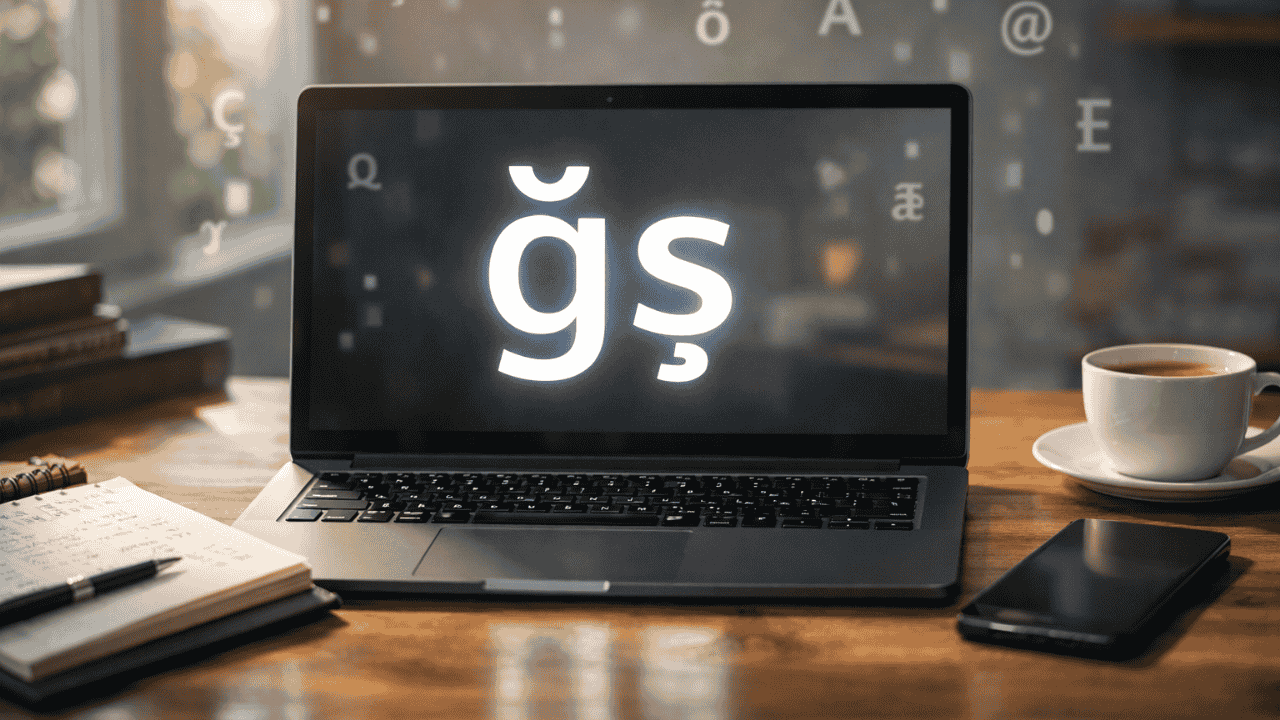
At first glance, the term ğş looks like a word that should have a meaning, yet it leaves most people confused. It appears in search queries, comment sections, and sometimes even in technical discussions without any clear explanation. This creates curiosity, which is exactly why people keep typing ğş into search engines. Instead of being a real word, it is simply a combination of two Turkish characters placed side by side. Understanding why this happens can help turn a confusing keyword into a useful piece of knowledge.
understanding the origin of ğş
The keyword ğş is made up of two letters from the Turkish alphabet: ğ and ş. These letters are not random symbols but part of a structured language system used by millions of people. However, when combined as ğş, they do not form any meaningful word in Turkish. This makes the keyword unusual and often misunderstood by those unfamiliar with the language. Many people assume it has hidden meaning, but it is simply a coincidence of characters.
The Turkish alphabet itself is based on the Latin script but includes additional letters to match specific sounds. These include characters like ç, ğ, ö, ü, and ş, which do not exist in standard English. Because of this, non-Turkish speakers often find these letters confusing or difficult to interpret. When they see ğş, they try to assign meaning where none exists. This misunderstanding fuels its popularity as a search term.
breaking down the letter ğ
The letter ğ, often called the soft g, behaves differently from most consonants. It does not have a strong, clear sound like other letters. Instead, it works by lengthening the vowel that comes before it. This makes it more of a supportive character rather than a standalone sound.
In Turkish pronunciation, ğ is rarely heard directly, which adds to the confusion for learners. It cannot appear at the beginning of a word and usually sits between vowels. When people see it paired in ğş, they assume it contributes a sound, but that is not entirely accurate. Its subtle nature makes the keyword even more puzzling.
Here are a few key traits of ğ:
- it softens or extends vowel sounds
- it never starts a word in Turkish
- it often feels silent to non-native speakers
- it plays a structural role rather than a phonetic one
understanding the letter ş
The second part of ğş is the letter ş, which is much easier to understand. It produces a clear “sh” sound, similar to words like “shoe” or “ship” in English. Unlike ğ, it behaves like a standard consonant and is easy to pronounce once recognized.
This clarity makes ş more familiar to learners, even if they have never studied Turkish before. When combined with ğ, however, it creates a strange pairing that doesn’t follow normal word patterns. This is one reason why ğş stands out and attracts attention. It looks structured but lacks meaning, which sparks curiosity.
The letter ş is commonly used in many Turkish words, making it an essential part of the language. Its consistency helps learners build confidence in pronunciation. However, when isolated in ğş, it loses its usual context and becomes part of a confusing combination.
why ğş appears in online searches
The popularity of ğş is not random, and there are clear reasons behind its frequent appearance. People often encounter it by accident, especially when dealing with foreign keyboards or copied text. This leads them to search for its meaning, hoping to understand what they saw. In reality, they are chasing something that has no real definition.
Several factors contribute to its visibility online:
- accidental typing on multilingual keyboards
- encoding errors in websites or software
- curiosity about unfamiliar characters
- testing search engines or input systems
These situations create repeated exposure to ğş, which increases its search volume. Once a keyword starts getting searched, it tends to attract even more attention. This cycle keeps ğş relevant despite its lack of meaning.
the role of encoding and digital systems
Another major reason behind the spread of ğş is related to how digital systems handle text. Not all platforms support special characters equally, especially those outside standard English. When encoding fails, characters can appear incorrectly or in unexpected combinations. This sometimes results in strange outputs like ğş.
For example, copying text from one platform to another can distort certain letters. If the system does not recognize Turkish characters properly, it may display them in odd ways. Users who see this often assume it is intentional or meaningful. That assumption leads them to search for answers.
This issue is common in older systems or poorly optimized websites. It highlights how language and technology can clash when not properly aligned. As a result, terms like ğş become more visible than they should be.
how curiosity turns ğş into a trending keyword
Curiosity plays a big role in making ğş popular. People are naturally drawn to things they do not understand, especially when those things look structured. The combination of unfamiliar letters creates a sense of mystery. This pushes users to search for explanations.
Once a few people start searching, others follow, creating a ripple effect. Search engines pick up on this behavior and begin to suggest the term more often. This increases its visibility even further. Over time, ğş becomes a recognized query despite having no real meaning.
This pattern is not unique to ğş, but it is a strong example of how digital curiosity works. It shows how even meaningless combinations can gain attention if they trigger enough interest.
learning from ğş in language and seo
Even though ğş is not a real word, it offers valuable insights for both language learners and content creators. For learners, it highlights the importance of understanding individual letters before combining them. For writers, it shows how curiosity-driven keywords can attract traffic.
Here are a few takeaways:
- not every keyword has a direct meaning
- curiosity can drive search behavior
- understanding context is essential in language
- unusual terms can still be useful in content strategy
By studying ğş, you can better understand how people interact with language online. This knowledge can help in creating content that answers real questions, even if those questions start from confusion.
how to type and recognize ğş correctly
Typing ğş depends on having access to a Turkish keyboard or using special character input methods. On standard keyboards, these letters are not directly available. This leads many users to copy and paste them instead. That process can sometimes introduce errors, which adds to the confusion.
Recognizing ğş becomes easier once you understand the individual letters. Instead of seeing it as a word, you begin to see it as a simple combination. This shift in perspective removes the mystery and replaces it with clarity. It also helps avoid misinterpretation in the future.
For anyone learning Turkish, practicing these characters is important. It builds familiarity and reduces the chances of confusion when encountering similar combinations.
conclusion
The keyword ğş may look meaningful at first, but it is simply a pairing of two Turkish letters without any real definition. Its popularity comes from curiosity, technical issues, and the unfamiliarity of special characters. While it does not hold linguistic value as a word, it reveals a lot about how people search and interact with language online. Understanding ğş helps clear confusion and turns a meaningless term into a useful learning point. It also shows that even the smallest details in language can spark widespread interest when placed in the right context.
faqs
- what does ğş mean?
It does not have any meaning. It is just a combination of two Turkish letters. - is ğş a real word in Turkish?
No, it is not recognized as a word in the Turkish language. - why do people search for ğş?
People search it بسبب curiosity, keyboard errors, or encountering it online without context. - how is ğş pronounced?
It does not have a standard pronunciation since it is not a real word, but ş sounds like “sh” and ğ lengthens vowels. - can ğş be used in writing?
It can appear as a character combination, but it is not used as a meaningful word in sentences.










Post Comment