Wollmatten: a complete guide to natural wool mats, uses, benefits, and modern applications
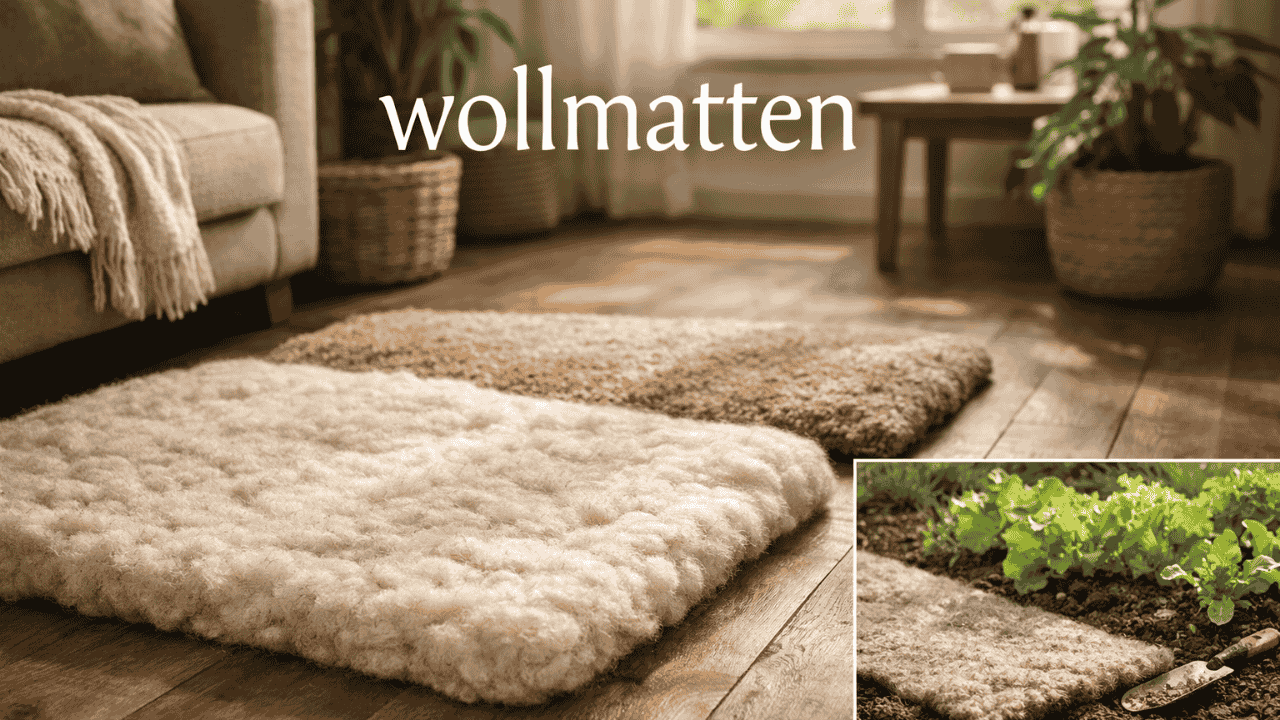
Wollmatten are gaining attention as people look for simple, natural materials that actually perform well in everyday use. These wool-based mats are not a new invention, but they are being rediscovered as more homeowners, builders, and gardeners move away from synthetic products. What makes wollmatten stand out is their ability to combine comfort, durability, and environmental responsibility in one material. Whether used indoors or outdoors, they serve practical purposes without relying on chemical-heavy manufacturing. This article breaks down what wollmatten are, how they are made, and why they are becoming a preferred choice across different industries.
understanding what wollmatten really are
Wollmatten are mats made from natural sheep wool that has been processed into dense, durable layers. The word itself comes from German, where it directly translates to wool mats. These mats can be soft and decorative like rugs, or dense and firm for industrial or agricultural use. Unlike synthetic mats, wollmatten rely entirely on natural fibers, which gives them unique physical properties. They are used in homes, construction, and even farming because of their versatility.
The structure of wollmatten allows them to trap air within the fibers, which helps regulate temperature and moisture. This makes them suitable for both warm and cold environments without needing additional treatment. Their natural composition also means they break down over time without harming the environment. As a result, wollmatten are often seen as a practical alternative to plastic-based materials.
how wollmatten are made from raw wool
The production of wollmatten starts with raw sheep wool, which goes through several steps before becoming a finished product. First, the wool is cleaned to remove dirt, oils, and impurities that come from natural shearing. After cleaning, the fibers are carded, which means they are combed and aligned to create a uniform texture. This step is important because it determines the strength and consistency of the final mat.
Once the fibers are prepared, they are either felted or woven into thick layers. Felting is the more common method, where heat, moisture, and pressure bind the fibers together without the need for glue. This process creates dense wollmatten that are both flexible and strong. In some cases, manufacturers compress the layers further to increase durability for heavy-duty uses. The final product is a mat that holds its shape while still feeling soft and natural.
key properties that make wollmatten useful
Wollmatten are not just popular because they are natural; they also perform well in practical situations. Their physical properties make them suitable for multiple uses across different environments. These features come directly from the structure of wool fibers, which behave differently from synthetic materials. This is why wollmatten often last longer and require less maintenance.
Some of the most important properties include:
- strong thermal insulation that helps maintain indoor temperature
- ability to absorb moisture without feeling damp
- natural elasticity that allows the mat to bounce back after pressure
- resistance to wear, making them suitable for high-traffic areas
- sound absorption that reduces noise in enclosed spaces
These qualities explain why wollmatten are used in both comfort-focused settings like homes and performance-driven areas like construction sites.
use of wollmatten in home interiors
In home settings, wollmatten are commonly used as rugs, floor coverings, and decorative mats. They add a sense of warmth to living spaces, especially in areas with cold flooring like tile or concrete. Unlike synthetic carpets, wollmatten do not trap heat in an uncomfortable way, which makes them suitable for year-round use. Their natural texture also brings a more grounded and organic look to interiors.
Another advantage of using wollmatten indoors is their ability to manage moisture. In humid conditions, they absorb excess moisture from the air and release it when the environment becomes dry. This helps maintain a balanced indoor atmosphere without additional devices. Many homeowners also prefer wollmatten because they are less likely to cause allergic reactions compared to synthetic materials. Over time, they maintain their structure without flattening easily.
wollmatten in construction and insulation
Wollmatten are increasingly used in construction as a natural insulation material. Builders use them in walls, roofs, and flooring systems to improve energy efficiency. The air-trapping structure of wool helps reduce heat loss during winter and keeps interiors cooler during summer. This reduces the need for artificial heating and cooling, which can lower energy costs over time.
Another reason wollmatten are used in construction is their ability to regulate moisture. They can absorb water vapor without becoming damaged, which helps prevent mold and structural issues. Unlike synthetic insulation, wollmatten do not release harmful chemicals into the air. This makes them a safer option for indoor environments, especially in residential buildings. As green construction practices grow, wollmatten are becoming a practical choice for sustainable building design.
agricultural and gardening applications of wollmatten
Wollmatten are not limited to indoor or construction use; they are also valuable in agriculture and gardening. Farmers and gardeners use them to improve soil conditions and manage water usage. When placed on soil, wollmatten help retain moisture, reducing the need for frequent watering. This is particularly useful in dry regions where water conservation is important.
Another benefit is that wollmatten slowly release nutrients into the soil as they break down. This acts as a natural fertilizer, supporting plant growth without chemical inputs. They also help control weeds by blocking sunlight from reaching unwanted plants. In gardening, wollmatten are often used around plants and flower beds to maintain consistent soil conditions. Their biodegradable nature ensures they do not leave behind harmful residues.
environmental benefits of choosing wollmatten
One of the strongest reasons for the rise of wollmatten is their environmental impact. Unlike plastic-based mats, they are made from renewable resources that can be replenished over time. Sheep wool is produced naturally and does not require complex chemical processing. This makes wollmatten a lower-impact option compared to synthetic alternatives.
There are several environmental advantages worth noting:
- biodegradable material that decomposes naturally
- reduced reliance on petroleum-based products
- lower carbon footprint during production
- safe disposal without environmental harm
- support for sustainable farming practices
These factors make wollmatten appealing to people who want practical products without contributing to long-term environmental damage.
why wollmatten are becoming popular again
The growing interest in wollmatten is closely linked to changes in consumer behavior. People are paying more attention to what they bring into their homes and how those products are made. Synthetic materials are no longer the default choice, especially when natural alternatives offer similar or better performance. Wollmatten fit into this shift because they combine function with sustainability.
Another reason for their popularity is their versatility. The same material can be used in homes, farms, and construction projects without major changes. This reduces the need to buy different products for different purposes. As awareness spreads, more industries are exploring how wollmatten can replace less sustainable materials. This renewed interest is not just a trend but a return to practical solutions that have existed for generations.
how to choose the right wollmatten for your needs
Choosing the right wollmatten depends on how you plan to use them. Not all mats are made with the same thickness, density, or finish, so it is important to match the product to the purpose. For indoor use, softer and more flexible wollmatten are usually preferred. These provide comfort while still maintaining durability over time.
For construction or agricultural use, denser and thicker wollmatten are more suitable. These can handle pressure and environmental exposure without breaking down quickly. It is also important to consider the size and shape of the mat based on the area where it will be used. Paying attention to these details ensures that wollmatten perform effectively and last longer.
conclusion
Wollmatten offer a practical solution for people looking to combine comfort, durability, and sustainability in one product. From home interiors to construction and agriculture, their uses continue to expand as more people recognize their value. The natural properties of wool give wollmatten an advantage over synthetic materials in terms of performance and environmental impact. They are not just a niche product but a reliable option for everyday applications. As demand for natural materials grows, wollmatten are likely to remain a strong choice across different industries.
faqs
- what are wollmatten made from
Wollmatten are made from natural sheep wool that is cleaned, processed, and compressed into dense mats. - are wollmatten suitable for home use
Yes, wollmatten are commonly used as rugs and floor mats because they provide comfort, insulation, and durability. - can wollmatten be used in gardening
Wollmatten are widely used in gardening to retain moisture, reduce weeds, and improve soil quality. - do wollmatten last long
Wollmatten are durable and can last for years, especially when used in appropriate conditions. - are wollmatten environmentally friendly
Wollmatten are biodegradable, renewable, and have a lower environmental impact compared to synthetic mats.








Post Comment