kouskousi: meaning, origin, uses, and why this tiny pasta confuses everyone
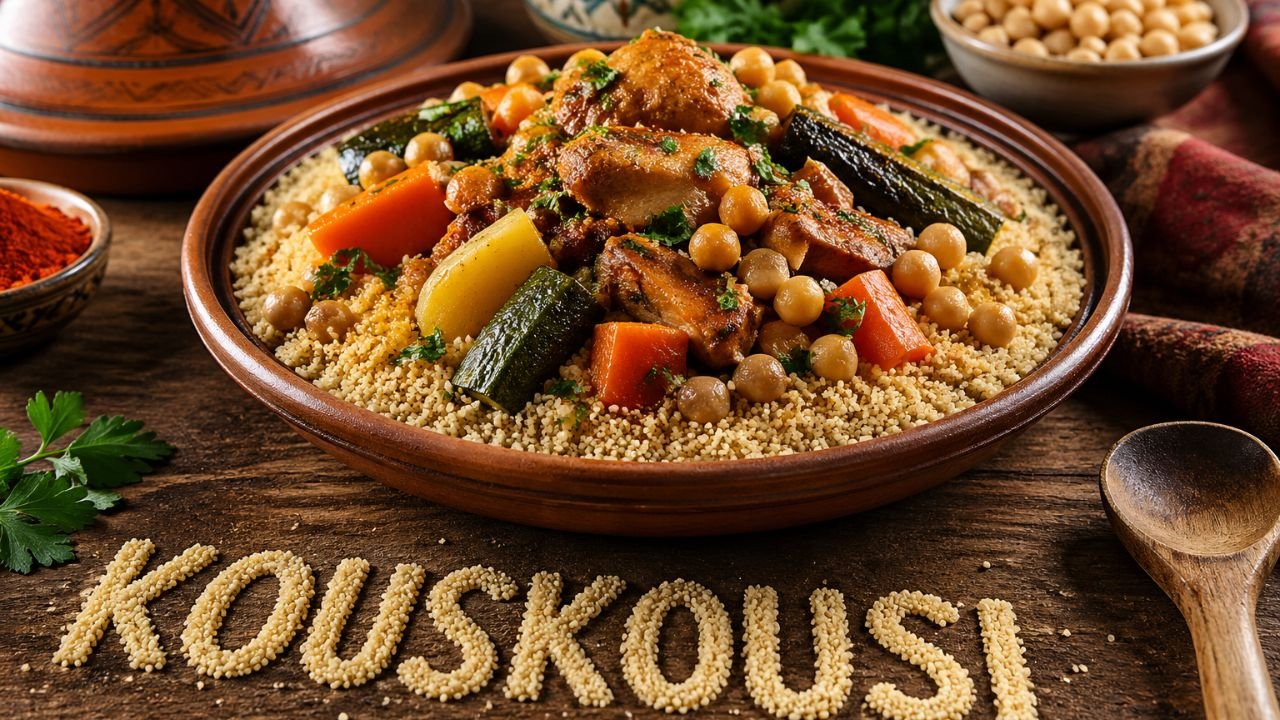
Kouskousi is one of those food terms that sparks confusion the moment people hear it. Some think it refers to a grain, while others assume it is a regional dish with a unique identity. In reality, kouskousi is closely tied to couscous and often represents a variation in naming, preparation, or cultural interpretation. Understanding what kouskousi actually is requires looking at its roots, how it is made, and how it is used across different cuisines. Once you break it down, it becomes clear that kouskousi is simple, versatile, and deeply connected to culinary traditions that go back thousands of years.
what kouskousi actually is and why the name varies
Kouskousi is best understood as a variation or alternate name connected to couscous, which is a staple food in North Africa. The term appears in different regions and languages, which is why its spelling and meaning can shift slightly depending on context. In some places, kouskousi refers to a small pasta similar in shape and function to couscous, while in others it reflects a localized pronunciation. This variation in naming is common in traditional foods that travel across cultures and languages over time. The key idea is that kouskousi is not a completely separate ingredient but part of a broader culinary family.
People often misclassify kouskousi as a grain, but it is actually a form of pasta made from semolina wheat. This distinction matters because it affects how it is cooked and used in recipes. The texture of kouskousi is light and slightly chewy, making it ideal for absorbing sauces and spices. Because of its neutral flavor, it works well in both savory and sweet dishes. The confusion around the name has helped it gain curiosity, which can be useful if you are writing content that aims to attract readers.
the origin of kouskousi and its cultural roots
The roots of kouskousi trace back to North Africa, where couscous has been a dietary staple for centuries. Historical records suggest that this type of food has been consumed for over 2,000 years, especially among Berber communities. Over time, trade routes and cultural exchange spread it across the Mediterranean and into Europe. As it moved, the name evolved, giving rise to variations like kouskousi in different regions. This history makes kouskousi more than just food; it represents cultural continuity and adaptation.
In countries like Morocco, Algeria, and Tunisia, dishes related to kouskousi are part of everyday life as well as special occasions. Families often prepare it for gatherings, religious events, and weekly meals. The preparation process itself can be a social activity, bringing people together in the kitchen. Even today, traditional cooking methods are preserved alongside modern shortcuts. This blend of old and new keeps kouskousi relevant in both local and global cuisines.
how kouskousi is made from simple ingredients
Kouskousi is made using a straightforward combination of semolina flour and water, yet the process gives it a unique texture. The semolina is rolled into small granules, which are then steamed rather than boiled. This steaming process is essential because it keeps the grains separate and fluffy. Traditional preparation involves steaming multiple times to achieve the right consistency. Although modern packaged versions simplify this process, the traditional method still produces the best results.
Here is a simple breakdown of how kouskousi is typically prepared:
- semolina is moistened with water
- grains are rolled into tiny pellets by hand
- the pellets are dried slightly
- they are steamed in a special pot called a couscoussier
- the steaming process is repeated to improve texture
This method explains why kouskousi has a light and airy feel rather than being dense or sticky. The effort involved in traditional preparation also adds to its cultural value. Even with instant versions available, many people still prefer the handmade approach for its authenticity.
common ways kouskousi is used in cooking
Kouskousi is incredibly versatile, which is one reason it has remained popular for so long. It can be used as a base for hearty meals or as a side dish that complements stronger flavors. In savory cooking, it is often paired with meats, vegetables, and rich broths. The grains absorb the flavors around them, making each bite more satisfying. This adaptability allows kouskousi to fit into a wide range of cuisines.
Some of the most common uses of kouskousi include:
- serving it with slow-cooked lamb or chicken
- mixing it with roasted vegetables and spices
- using it as a base for salads similar to pasta salad
- pairing it with seafood in coastal regions
- preparing it with sauces and stews
In addition to savory dishes, kouskousi also appears in sweet recipes. In some cultures, it is combined with butter, sugar, and dried fruits to create a comforting dessert. This dual role in both sweet and savory cooking highlights its flexibility. It is one of the few ingredients that can move easily between different types of meals.
nutritional value and dietary considerations
Kouskousi provides a solid source of carbohydrates, making it a reliable energy food. It also contains a moderate amount of protein, which adds to its nutritional value. However, because it is made from wheat, it contains gluten and is not suitable for those with gluten intolerance. Compared to whole grains like quinoa, it has less fiber but still contributes to a balanced diet. Its nutritional profile makes it a practical choice for everyday meals.
When considering kouskousi as part of a diet, it helps to understand its strengths and limitations. It is quick to prepare, easy to digest, and pairs well with nutrient-rich ingredients like vegetables and lean proteins. At the same time, relying on it alone may not provide enough fiber or micronutrients. Combining it with other foods can create a more complete meal. This balance is key when using kouskousi regularly.
why kouskousi is often misunderstood
The biggest reason kouskousi is misunderstood comes down to naming and appearance. Because it looks like grains such as rice or quinoa, people assume it belongs in the same category. The different spellings across regions add another layer of confusion. Without clear information, it is easy to misinterpret what kouskousi actually is. This misunderstanding creates an opportunity for educational content.
Another factor is the way kouskousi is marketed and presented in different countries. In some places, it is sold alongside grains, reinforcing the misconception. In others, it is treated as pasta, which is more accurate but still not widely known. The lack of consistent labeling makes it harder for people to understand its true identity. Once explained properly, the confusion usually disappears.
modern uses of kouskousi in global kitchens
Today, kouskousi has found its way into kitchens around the world. It is no longer limited to traditional North African dishes and is now used in modern recipes. Chefs experiment with it in fusion cuisine, combining it with flavors from different cultures. This global reach has helped introduce kouskousi to new audiences. Its quick cooking time makes it especially appealing for busy lifestyles.
Modern uses of kouskousi include:
- quick lunch bowls with vegetables and protein
- healthy meal prep options
- side dishes for grilled foods
- creative salads with herbs and dressings
- alternative to rice or pasta in everyday meals
These uses show how adaptable kouskousi can be in contemporary cooking. It fits easily into both traditional and modern diets. As more people discover it, its popularity continues to grow.
conclusion
Kouskousi is a simple yet culturally rich food that often gets misunderstood because of its name and appearance. It is not a grain but a form of pasta made from semolina, with deep roots in North African cuisine. Its versatility allows it to be used in both savory and sweet dishes, making it a valuable addition to any kitchen. The history, preparation, and global spread of kouskousi highlight its importance beyond just being a meal. Once you understand what it is and how it works, it becomes much easier to appreciate its role in food culture.
faqs
what is kouskousi made of
Kouskousi is made from semolina flour and water. The mixture is rolled into small granules and then steamed to create a light texture.
is kouskousi the same as couscous
Kouskousi is closely related to couscous and often represents a variation in naming or regional interpretation rather than a completely different food.
is kouskousi healthy
Kouskousi provides carbohydrates and some protein, making it a good energy source. However, it should be combined with other foods for a balanced diet.
can kouskousi be used in sweet dishes
Yes, kouskousi can be prepared with sugar, butter, and dried fruits to create dessert-style dishes in some cultures.
does kouskousi contain gluten
Yes, kouskousi is made from wheat and contains gluten, so it is not suitable for people with gluten intolerance.









Post Comment