Acryldach: A Complete Guide to Acrylic Roofing, Uses, Benefits, and Practical Insights
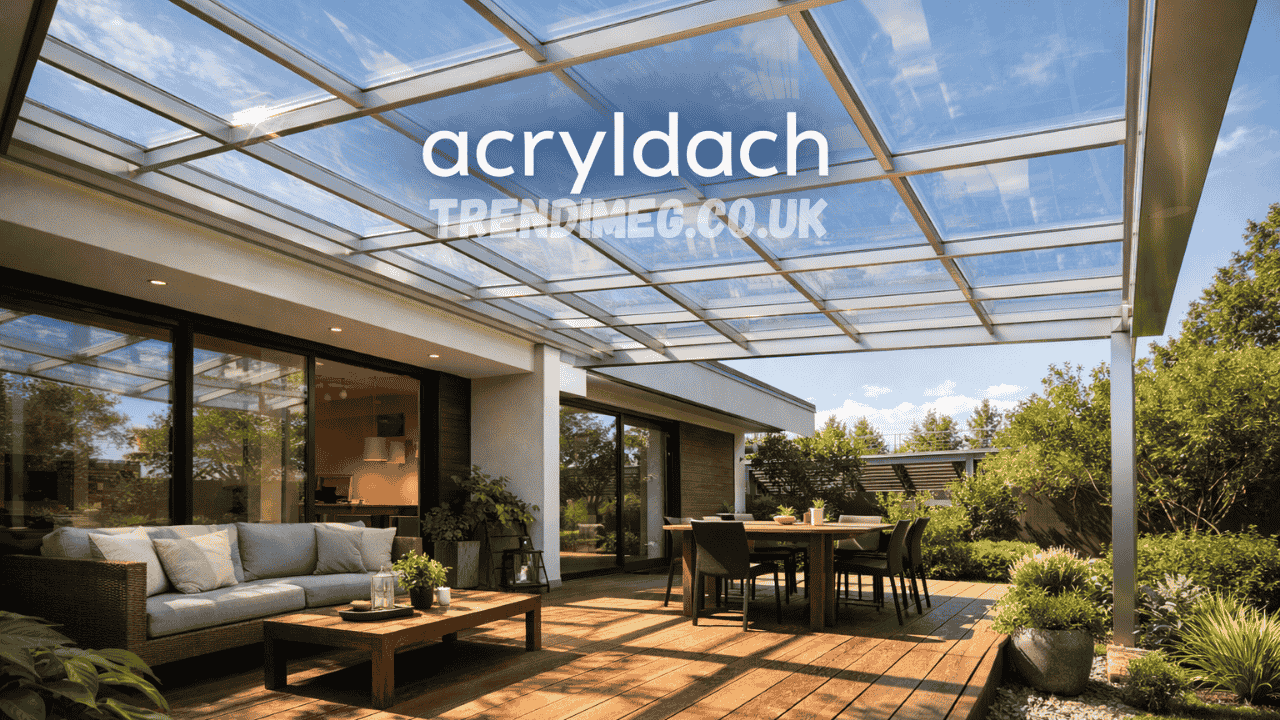
Acryldach is gaining attention in modern construction and outdoor design because it offers a simple way to combine protection with natural light. People are moving away from heavy, opaque roofing and looking for materials that make spaces feel open without sacrificing durability. This is where acryldach stands out as a practical option for both residential and commercial setups. It is especially popular in patios, carports, and garden structures where brightness matters. The growing interest in acryldach also comes from its balance between aesthetics and functionality.
What acryldach means and how it works
Acryldach refers to roofing made from acrylic sheets, often known as PMMA, which is a transparent thermoplastic material. It is designed to act like glass in appearance but performs differently when it comes to weight and durability. Acryldach panels are manufactured in different forms, including flat sheets, corrugated designs, and multi-wall structures for insulation. This flexibility allows it to be used across a wide range of projects without major structural changes. The main idea behind acryldach is to allow light in while still protecting the area underneath from weather conditions.
The structure of acryldach panels also contributes to its performance in outdoor environments. These sheets are treated to resist UV rays, which helps maintain clarity over time. Unlike traditional roofing, acryldach does not block sunlight completely, making it ideal for spaces that benefit from natural brightness. Its composition also prevents it from shattering like glass, which adds an extra layer of safety. Because of these features, acryldach is often chosen for projects where both visibility and protection are needed.
Key features that make acryldach popular
Acryldach has several characteristics that make it stand out compared to other roofing materials. One of the main reasons people choose it is its ability to transmit a high percentage of light. This makes spaces feel larger and more inviting without needing artificial lighting during the day. Another strong advantage is its lightweight nature, which reduces the load on supporting structures. These features make installation easier and often more cost-effective in the long run.
Some of the most important features of acryldach include:
- High light transmission similar to glass
- Lightweight structure that reduces installation stress
- Strong resistance to weather conditions like rain and UV exposure
- Improved safety due to shatter resistance
- Long lifespan when properly maintained
These features explain why acryldach is increasingly used in both small home projects and larger commercial designs. It offers a combination of visual appeal and practical performance that is difficult to match with traditional materials.
Common applications of acryldach in everyday spaces
Acryldach is used in many settings where natural light and protection need to coexist. One of the most common uses is in patios and terraces, where it creates a bright outdoor space that can still be used during rain. Carports are another popular application because acryldach protects vehicles without making the space feel closed or dark. It is also widely used in pergolas, where the goal is to maintain an open design while adding shelter.
Other common uses of acryldach include:
- Greenhouses where sunlight is essential for plant growth
- Walkways and outdoor corridors in commercial buildings
- Skylights that bring daylight into interior spaces
- Garden shelters and backyard structures
These applications show how versatile acryldach can be across different environments. It adapts easily to both functional and decorative purposes, making it a flexible solution for modern construction needs.
Advantages of choosing acryldach over traditional roofing
One of the biggest advantages of acryldach is its ability to combine strength with visual clarity. Unlike heavy materials, it does not require complex structural support, which can reduce construction costs. Its transparency allows natural light to pass through, improving the overall atmosphere of a space. This is particularly useful in areas where lighting plays a key role in comfort and usability. Acryldach also requires less maintenance compared to some traditional roofing options.
Another benefit is its durability under different weather conditions. Acryldach can withstand exposure to sunlight, rain, and moderate impact without losing its shape or clarity. It does not rust like metal or crack as easily as some plastics. The material is also safer than glass because it does not shatter into sharp pieces. These advantages make acryldach a reliable choice for long-term use in outdoor environments.
Limitations and considerations before installing acryldach
While acryldach offers many benefits, it is not without its limitations. One important factor to consider is that it is less impact-resistant than polycarbonate, which may be a concern in areas with extreme weather. It can also be more expensive than basic roofing sheets, depending on the quality and thickness. Proper installation is essential because poor fitting can lead to issues like leaks or panel bending. These challenges should be addressed during the planning stage.
Another consideration is maintenance and cleaning. Although acryldach is low maintenance, it still requires occasional cleaning to maintain its transparency. Scratches can occur if harsh cleaning tools are used, so proper care is necessary. Temperature changes can also cause slight expansion or contraction, which must be accounted for during installation. Understanding these factors helps ensure that acryldach performs well over time.
Acryldach compared to other roofing materials
When compared to glass, acryldach is lighter and safer, making it easier to install and handle. Glass may offer similar clarity, but it is heavier and more fragile, which increases risk during installation and use. Acryldach provides a similar visual effect without the same level of risk. This makes it a practical alternative for many modern projects. It also reduces the need for heavy structural support.
In comparison to polycarbonate, acryldach offers better clarity but slightly lower impact resistance. Polycarbonate is often chosen for its strength, while acryldach is preferred for its appearance. When compared to metal roofing, acryldach allows light to pass through, which metal cannot provide. Each material has its place, but acryldach stands out for projects that prioritize brightness and design. This comparison helps users choose the right material based on their specific needs.
Why acryldach is becoming a modern design trend
Acryldach is becoming more common because people want spaces that feel open and connected to the outdoors. Traditional roofing often blocks light and creates a closed environment, which is not always desirable. Acryldach solves this problem by allowing sunlight to enter while still offering protection. This makes it ideal for modern homes and commercial spaces that focus on comfort and aesthetics. The trend is also influenced by the growing interest in energy efficiency and natural lighting.
Another reason for its popularity is its clean and minimal appearance. Acryldach fits well with contemporary architectural styles that emphasize simplicity and transparency. It can be used in both small and large projects without disrupting the overall design. As more people look for practical yet visually appealing solutions, acryldach continues to gain attention. Its ability to combine function and style makes it a strong choice in modern construction.
Maintenance tips to extend the life of acryldach
Maintaining acryldach is simple if done correctly and regularly. Cleaning the surface with mild soap and water helps keep it clear and free from dirt buildup. Avoid using abrasive materials that can scratch the surface and reduce transparency. Regular inspections can also help identify any early signs of damage or loosening. These small steps can significantly extend the lifespan of acryldach.
Proper installation also plays a major role in maintenance. Ensuring that panels are securely fitted and supported reduces the risk of bending or leaks. It is also important to allow for slight expansion due to temperature changes. Keeping surrounding areas clean can prevent debris from accumulating on the roof. With the right care, acryldach can remain functional and visually appealing for many years.
Conclusion
Acryldach offers a practical solution for anyone looking to combine protection with natural light in outdoor or semi-outdoor spaces. Its lightweight structure, durability, and clear appearance make it a strong alternative to traditional roofing materials. While it has some limitations, proper planning and maintenance can address most concerns effectively. The versatility of acryldach allows it to be used in a wide range of applications, from patios to commercial walkways. As design trends continue to favor open and bright spaces, acryldach is likely to remain a popular choice for modern construction.
FAQs
- What is acryldach used for
Acryldach is commonly used for patios, carports, pergolas, greenhouses, and skylights where natural light is needed along with weather protection. - Is acryldach better than glass roofing
Acryldach is lighter and safer than glass, making it easier to install and less likely to break, though both offer similar clarity. - How long does acryldach last
Acryldach can last between 15 to 25 years or more depending on quality, installation, and maintenance. - Does acryldach require regular maintenance
It requires basic cleaning and occasional inspection, but overall it is considered a low-maintenance roofing option. - Can acryldach withstand harsh weather
Acryldach is resistant to UV rays, rain, and moderate impact, but it may not be as strong as polycarbonate in extreme conditions.







Post Comment