Bikesly: Understanding the Role of Smart Cycling Infrastructure and E-Bike Trends
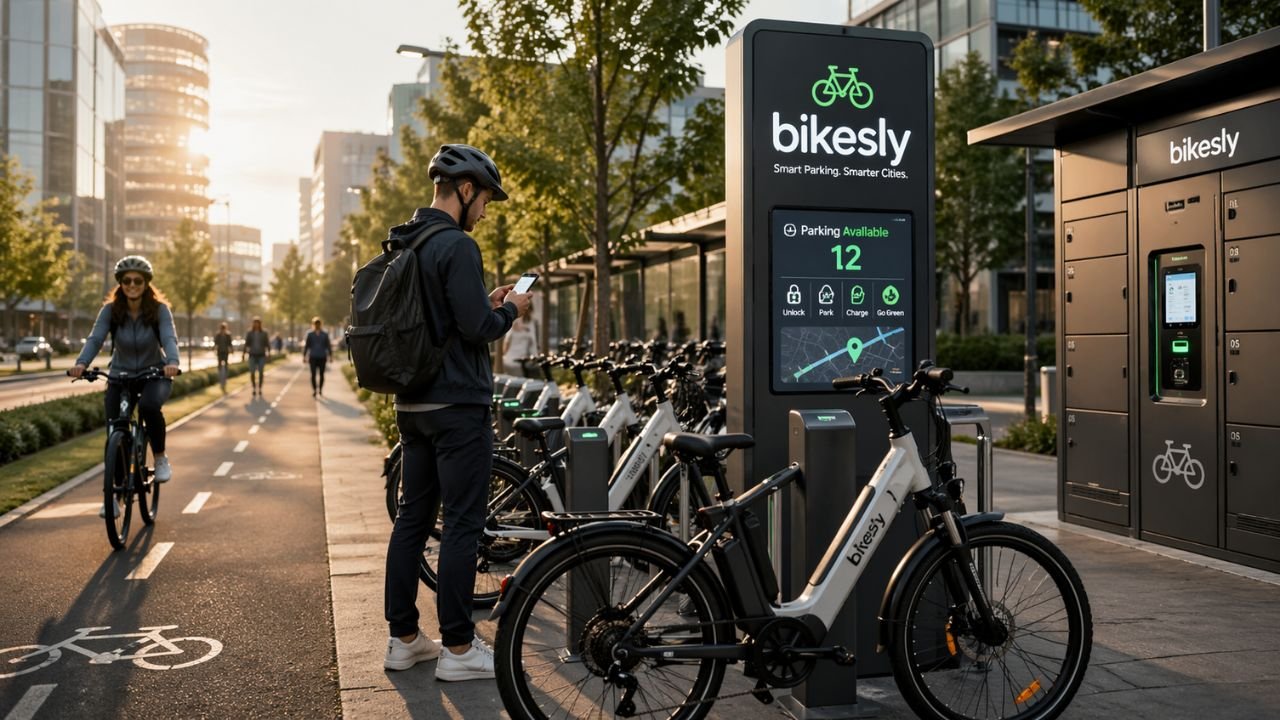
Cycling is no longer just a recreational activity. It has become part of daily transportation in many cities, driven by rising fuel costs, traffic congestion, and environmental concerns. In this shift, the term bikesly has started appearing in different contexts, often linked with smart cycling solutions and electric bikes. While it may not represent a single dominant brand, bikesly reflects a growing movement around modern cycling infrastructure and accessible e-bike options. Understanding what bikesly stands for can help readers make sense of current mobility trends and future possibilities.
What bikesly represents in modern cycling
The term bikesly is often associated with smart bike infrastructure platforms or used loosely for e-bike products in online marketplaces. In one context, it connects to systems designed to improve bike parking, storage, and accessibility through digital solutions. These platforms aim to solve common urban problems like theft, lack of parking space, and poor organization. In another context, bikesly appears as a label attached to electric bikes, especially budget-friendly or folding models. This dual meaning makes it important to approach the topic with clarity.
In practical terms, bikesly can be seen as part of a broader shift toward smarter and more efficient cycling ecosystems. It reflects how technology is blending with transportation to make biking more convenient. Whether referring to infrastructure or products, bikesly highlights the growing demand for innovation in cycling. This demand is being driven by both individuals and city planners.
The rise of smart bike infrastructure systems
Cities are under pressure to reduce traffic and pollution, and cycling has become a key part of the solution. Traditional bike racks are no longer enough for modern urban environments. This is where bikesly-related systems come into play, offering smarter ways to manage bike storage and security. These systems often use mobile apps, digital locks, and real-time availability tracking.
A typical smart bike system includes features that improve both user experience and operational efficiency. These include:
- app-based access to secure parking spaces
- real-time monitoring of bike slots
- integrated payment or subscription systems
- data analytics for city planning
These features make cycling more appealing, especially for commuters who need reliability. Bikesly solutions in this space focus on removing friction from the daily biking experience. As more cities adopt these systems, the role of bikesly becomes more relevant.
How bikesly connects with e-bike trends
Electric bikes have transformed the cycling industry by making longer distances and uphill rides more manageable. The keyword bikesly is often seen in listings for affordable e-bikes, particularly in online stores. These bikes usually target beginners or budget-conscious buyers who want an entry point into electric mobility. While they may not compete with premium brands, they serve an important role in expanding access.
The popularity of e-bikes is tied to several factors. People are looking for alternatives to cars that are both cost-effective and environmentally friendly. Bikesly-related products often fall into this category, offering basic features at a lower price point. This includes folding frames, fat tires, and simple battery systems.
In many cases, bikesly e-bikes are designed for urban commuting rather than high performance. They focus on practicality, portability, and ease of use. This makes them attractive for students, office workers, and casual riders.
Key features commonly linked with bikesly solutions
Whether referring to infrastructure or e-bikes, bikesly is often connected with certain core features. These features reflect the needs of modern cyclists who value convenience and safety. Understanding these elements can help readers evaluate different products or systems.
Some of the most common features include:
- compact and foldable bike designs
- electric motor assistance for easier riding
- app integration for access or tracking
- secure locking mechanisms
- user-friendly interfaces for beginners
These features are not unique to bikesly, but they are frequently associated with it. They represent the direction in which the cycling industry is moving. As technology continues to evolve, these features are likely to become standard.
Why bikesly matters for urban mobility
Urban areas are facing increasing challenges related to transportation. Traffic congestion, air pollution, and limited parking are common issues. Bikesly fits into the conversation as a potential solution that supports sustainable mobility. By encouraging more people to cycle, it helps reduce reliance on cars.
One of the biggest advantages of bikesly systems is their scalability. Cities can start small and expand as demand grows. This makes it easier to test new ideas without large upfront investments. Over time, these systems can become part of a larger smart city network.
Bikesly also supports a shift in mindset. It encourages people to view cycling as a practical daily option rather than just a hobby. This cultural change is essential for long-term impact. Without it, even the best infrastructure will go underused.
Challenges and limitations of bikesly concepts
Despite its potential, bikesly is not without challenges. One issue is the lack of a clear, unified identity. Since the term is used in different ways, it can confuse users and reduce trust. This is especially true when it appears as a brand name without strong recognition.
Another challenge is quality consistency in e-bike products labeled as bikesly. Budget models may vary in performance and durability. This can lead to mixed user experiences, which affects overall perception. Buyers need to be cautious and do proper research before purchasing.
Infrastructure systems also face barriers such as high initial costs and maintenance requirements. Cities need to invest in both hardware and software. Without proper planning, these systems can fail to deliver expected results. Bikesly solutions must address these challenges to remain relevant.
The future of bikesly in the cycling ecosystem
Looking ahead, bikesly is likely to evolve alongside broader trends in mobility. As technology improves, we can expect more advanced features in both infrastructure and e-bikes. This includes better battery efficiency, smarter apps, and improved security systems. These developments will make cycling even more accessible.
The integration of bikesly systems with public transport is another area of growth. For example, bike parking solutions can be linked with train or bus stations. This creates a seamless travel experience for users. It also encourages multi-modal transportation.
There is also potential for bikesly to become more standardized. As the market matures, clearer definitions and stronger branding may emerge. This would help reduce confusion and build trust among users. In the long run, bikesly could become a recognized part of the cycling industry.
How to choose the right bikesly-related solution
For individuals interested in bikesly products or systems, making the right choice requires careful consideration. Not all options are created equal, and needs can vary widely. Some people may prioritize affordability, while others focus on performance or security.
When evaluating bikesly options, consider the following:
- purpose of use, such as commuting or leisure
- build quality and materials
- battery life and charging time
- availability of customer support
- compatibility with local infrastructure
Taking these factors into account can help avoid common mistakes. It also ensures that the chosen solution meets long-term needs. Bikesly can be a useful entry point, but informed decisions are essential.
Conclusion
Bikesly is not a single defined product or company, but it represents a growing shift in how people approach cycling. It connects with both smart infrastructure systems and accessible e-bike options, making it part of a larger movement toward sustainable transport. While there are challenges related to clarity and consistency, the underlying ideas behind bikesly are strong. They focus on convenience, safety, and efficiency in urban mobility.
As cities continue to evolve, solutions linked to bikesly will likely play a bigger role. Whether through improved bike parking systems or affordable electric bikes, the impact is already visible. For anyone interested in modern transportation trends, bikesly offers a useful lens to understand where cycling is heading.
FAQs
- What does bikesly mean?
Bikesly is commonly used to describe smart cycling infrastructure systems or budget-friendly electric bikes, depending on the context. - Is bikesly a real brand or a general term?
It can be both. In some cases, it appears as a product label, while in others it represents a broader concept in cycling technology. - Are bikesly e-bikes reliable?
Reliability can vary depending on the specific product. It is important to check reviews and specifications before buying. - How does bikesly improve urban transportation?
Bikesly-related systems make cycling more convenient and secure, encouraging more people to use bikes instead of cars. - Is bikesly the future of cycling?
It is part of a larger trend toward smart and sustainable mobility, which is likely to grow in the coming years.










Post Comment