hmrc wage raid payroll checks: what they mean, why they happen, and how businesses should respond
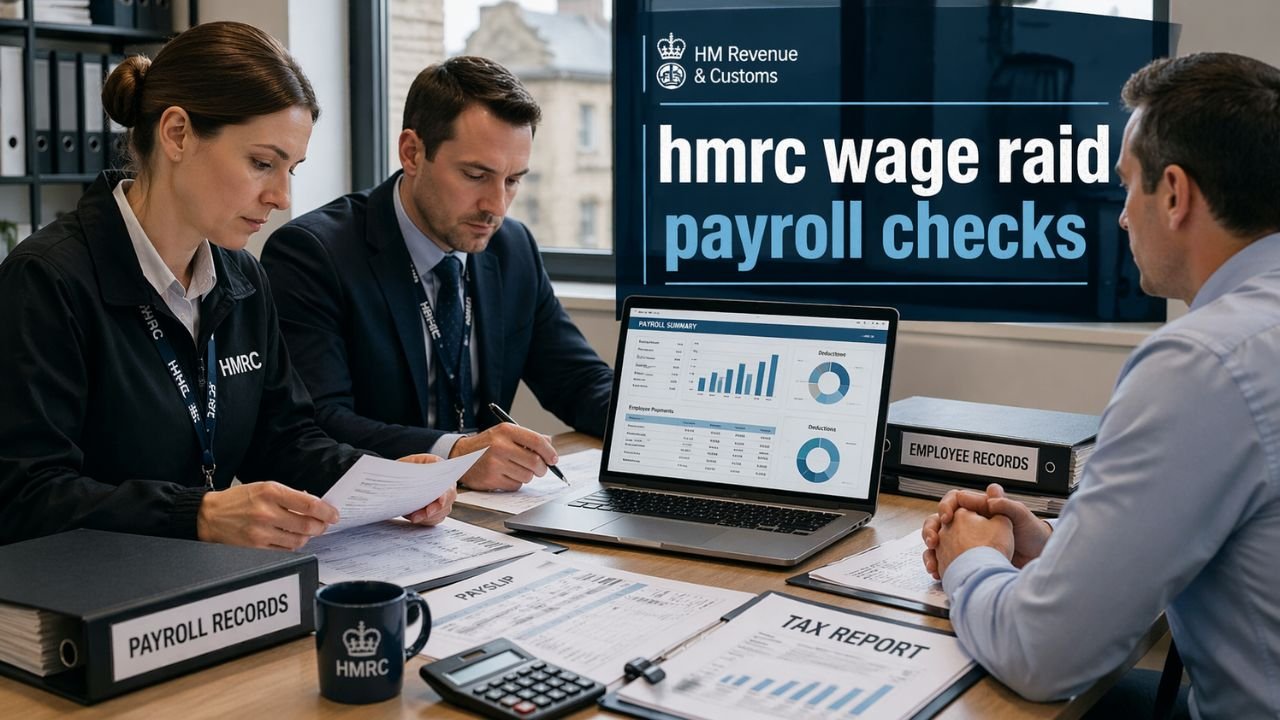
The phrase hmrc wage raid payroll checks has started showing up more often in conversations among UK business owners, payroll staff, and accountants. It sounds aggressive, and that is partly why it grabs attention, but the reality behind it is more structured than the name suggests. These checks are part of HMRC’s broader effort to enforce payroll compliance and ensure employees are being paid correctly. Businesses that once treated payroll as a routine back-office task are now realizing it carries real risk. Understanding how hmrc wage raid payroll checks work is no longer optional if you run a company with employees.
what hmrc wage raid payroll checks actually involve
hmrc wage raid payroll checks refer to inspections where HMRC officers review a company’s payroll processes and records. These visits can happen with little warning, which is why many people describe them as raids. In practice, they are compliance checks focused on whether employees are paid the correct wages and whether taxes are handled properly. HMRC is not just looking for fraud but also for errors that affect employee pay. Even small mistakes can trigger further investigation if they appear systematic.
During hmrc wage raid payroll checks, officers often request detailed records that show how wages are calculated. They want to see whether the business follows minimum wage laws and applies PAYE rules correctly. These checks may involve both digital payroll systems and manual records. If inconsistencies appear, the inspection can expand beyond the initial scope. That is why preparation matters long before any inspection takes place.
why hmrc has increased payroll enforcement
There has been a noticeable rise in hmrc wage raid payroll checks over the past few years. One of the main reasons is the number of workers found to be underpaid across different industries. Government pressure to protect employees has pushed HMRC to take a more active role in enforcement. Digital payroll reporting systems such as Real Time Information have also made it easier to spot irregularities. When data flags a potential issue, it can quickly lead to a compliance visit.
Another reason behind the increase in hmrc wage raid payroll checks is the gap between what businesses report and what employees experience. Complaints from workers have become a major trigger for investigations. HMRC is also focusing on industries where wage violations are more common. This shift means even smaller businesses are now within reach of inspections. No company is too small to be overlooked anymore.
common triggers that lead to inspections
Most hmrc wage raid payroll checks do not happen randomly. They are usually triggered by specific warning signs that suggest something may be wrong with payroll. Businesses often underestimate how easy it is for these red flags to appear in routine operations. Even a minor reporting mistake can look suspicious when repeated over time. Once flagged, it becomes difficult to avoid scrutiny.
Here are some common triggers that lead to hmrc wage raid payroll checks:
- inconsistencies in PAYE or payroll submissions
- underpayment of minimum wage or incorrect deductions
- employee complaints about wages or unpaid hours
- unusual payroll patterns compared to industry norms
- late filings or a history of compliance issues
Each of these signals can prompt HMRC to take a closer look. When multiple triggers appear together, the likelihood of inspection increases sharply. Businesses that monitor these risks internally can often avoid escalation.
what hmrc examines during a payroll check
When hmrc wage raid payroll checks take place, HMRC officers focus on verifying that records match reality. They do not rely only on submitted data but cross-check it against supporting documents. This includes reviewing contracts, timesheets, and payment histories. The goal is to confirm that employees are paid fairly and accurately. If gaps appear, they will investigate further.
Typical records reviewed during hmrc wage raid payroll checks include:
- payslips and payroll summaries
- employee contracts and agreements
- working hours and timesheets
- tax codes and deductions
- PAYE and National Insurance contributions
Officers may also speak directly with employees to confirm working conditions. This step helps them verify whether recorded hours match actual work performed. Any mismatch can raise serious concerns quickly.
what happens during the inspection process
The process of hmrc wage raid payroll checks usually follows a clear sequence. It often begins with an unannounced visit or a short-notice request for records. Once HMRC gains access to payroll data, they begin reviewing documents in detail. They may ask questions on the spot to understand how payroll is managed. This stage can take several hours or extend over multiple days depending on the size of the business.
After reviewing the data, HMRC compiles findings based on what they observe. If everything is compliant, the process ends with minimal disruption. If issues are found, the business will receive a report outlining the problems. In more serious cases, further investigation may follow. hmrc wage raid payroll checks can therefore range from routine reviews to deeper audits.
penalties and consequences businesses face
Failing hmrc wage raid payroll checks can be costly in more ways than one. Financial penalties are often the first consequence businesses face. These can include repayment of underpaid wages along with additional fines. In some cases, penalties can reach up to 200 percent of the underpaid amount. There is also a maximum penalty per affected employee, which can add up quickly.
Beyond financial costs, hmrc wage raid payroll checks can damage a company’s reputation. Businesses found in violation may be publicly named, which affects trust with customers and employees. Legal action is also possible in serious cases involving deliberate misconduct. These outcomes make payroll compliance a priority rather than an afterthought. Companies that ignore the risks often pay the price later.
how far back hmrc can investigate payroll
One detail many businesses overlook is how far hmrc wage raid payroll checks can reach into the past. HMRC typically has the authority to review payroll records going back up to six years. This means errors made years ago can still surface during an inspection. If fraud is suspected, the investigation period can extend even further. That adds another layer of risk for businesses with weak record-keeping practices.
Maintaining accurate records over time is essential to handle hmrc wage raid payroll checks confidently. Businesses should not assume older data is irrelevant. Every payroll cycle contributes to the overall compliance picture. Gaps in historical data can raise suspicion even if recent records are accurate. Consistency matters across the entire timeline.
how businesses can prepare and stay compliant
Preparing for hmrc wage raid payroll checks requires more than last-minute fixes. Businesses need a structured approach to payroll management that reduces the chance of errors. This starts with understanding wage laws and ensuring systems are updated regularly. Staff responsible for payroll should be properly trained and aware of compliance requirements. Regular internal checks can catch problems early.
Here are practical steps businesses can take:
- conduct routine payroll audits to identify errors
- ensure all employees are paid at least the legal minimum wage
- keep detailed and organized payroll records
- respond quickly to employee concerns about pay
- use reliable payroll software to reduce manual mistakes
These steps help reduce the likelihood of triggering hmrc wage raid payroll checks. They also make it easier to respond if an inspection does occur. Preparation is not about avoiding HMRC but about being ready when they show up.
why payroll mistakes are more common than expected
One important point about hmrc wage raid payroll checks is that many issues come from simple mistakes rather than intentional wrongdoing. Payroll systems can be complex, especially when dealing with overtime, deductions, and changing tax rules. Small calculation errors can build up over time and create larger discrepancies. Businesses often assume their systems are accurate without verifying them regularly.
These errors become visible during hmrc wage raid payroll checks because HMRC examines details closely. What seems minor internally can appear significant when reviewed externally. That is why regular audits and double-checking calculations matter. Treating payroll as a precise process rather than a routine task reduces risk. It also builds confidence in the accuracy of records.
conclusion
hmrc wage raid payroll checks are becoming a regular part of the compliance landscape for UK businesses. They are not random events but targeted inspections driven by data, complaints, and risk indicators. Companies that understand how these checks work are in a stronger position to handle them without disruption. The real risk lies in ignoring payroll accuracy until an inspection happens.
Businesses that stay organized, follow wage laws, and review payroll regularly are less likely to face serious consequences. hmrc wage raid payroll checks should be seen as a signal that payroll deserves attention at the same level as tax and finance. With proper systems and awareness, companies can avoid penalties and maintain trust with employees. The focus should always be on accuracy, transparency, and consistency.
faqs
what are hmrc wage raid payroll checks
hmrc wage raid payroll checks are inspections where HMRC reviews a company’s payroll records to ensure employees are paid correctly and taxes are handled properly.
are hmrc wage raid payroll checks announced in advance
they can be unannounced or scheduled with short notice, depending on the situation and level of risk identified.
what triggers hmrc wage raid payroll checks
common triggers include payroll errors, employee complaints, underpayment of wages, and inconsistencies in tax reporting.
what penalties can result from failing a payroll check
penalties can include repayment of wages, fines up to 200 percent of underpayment, and possible public naming or legal action.
how can businesses avoid hmrc wage raid payroll checks
businesses can reduce risk by maintaining accurate payroll records, conducting regular audits, and ensuring compliance with wage and tax laws.










Post Comment